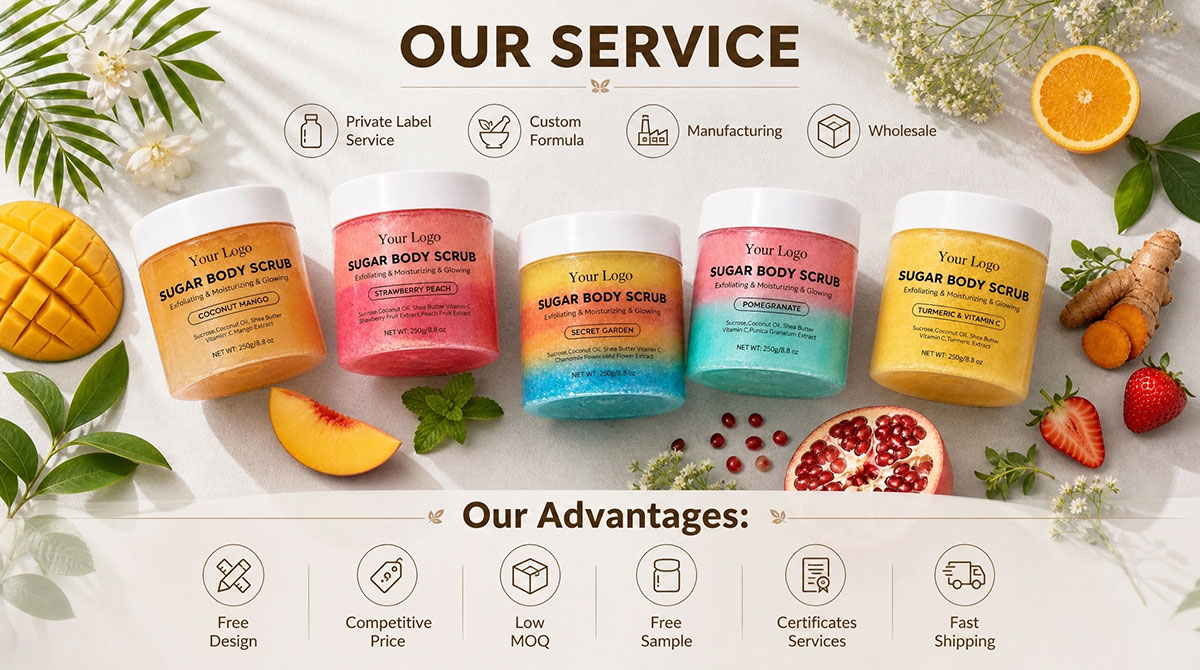
Launching a successful brand in today's beauty and personal care landscape requires more than a compelling logo and a sleek website. It demands a manufacturing partnership that transforms your vision into high-performance, shelf-ready products that consumers trust and reorder. At the heart of this transformation lies private label body care products—the fastest-growing, most margin-resilient category in the entire personal care industry.
For founders, salon owners, spa directors, and e-commerce entrepreneurs evaluating private label skin care as a strategic entry point, body care is no longer the "supporting act" to facial skincare. It has quietly become the main event. The numbers tell the story: U.S. search volume for body-care related keywords reached roughly 1.2 million monthly searches across Google and Amazon Product Search in the 12 months through 2026. Searches for "body SPF" grew 42% year-over-year, and "anti-aging body cream" queries rose 28% in Q1 2026 alone.
This guide is written for decision-makers who want to understand not just what private label body care products are, but how to architect a category-leading line that competes with the biggest names in beauty. We'll explore formulation strategy, manufacturer selection, compliance, MOQ realities, and the operational playbook that separates thriving brands from stalled startups. And we'll do it from the perspective of a skin care manufacture partner who has spent over a decade helping global brands scale.
Why Private Label Body Care Products Are the Smartest Bet for New Brands
When founders approach a skin care line manufacturer for the first time, they often assume facial serums and creams should be their hero SKUs. It seems logical—face products command higher price points and grab the most social media attention. But the brands that scale predictably and profitably almost always build their foundation on body care.
Here's why:
1. Purchase frequency creates recurring revenue. Body lotions, body washes, and body butters are consumed daily. A customer who loves your facial serum might repurchase every 3–4 months. A customer who loves your body butter will repurchase every 4–6 weeks. This cadence builds a revenue baseline that stabilizes your brand's cash flow and makes it far easier to forecast inventory, plan marketing spend, and secure growth capital.
2. The "skinification" wave is real and accelerating. Consumers are no longer willing to accept basic, fragrance-heavy body products. They expect the same active ingredients below the neck that they've been taught to demand for their faces—niacinamide, AHAs, BHAs, ceramides, peptides, and hyaluronic acid. This shift has created a massive opportunity for private label skin care products that deliver facial-grade efficacy in body-sized formats.
3. Body care offers superior margin structure. The cost-to-value ratio in body care is exceptionally favorable. A 250ml body lotion that retails for 28–45 may cost 0.85–2.80 to manufacture at scale, depending on formulation complexity and order volume. This allows brands to build healthy contribution margins while still pricing competitively against legacy players.
4. Regulatory pathways are clearer. While facial products often make bold anti-aging or acne-treatment claims that attract regulatory scrutiny, body care products—when properly formulated and documented—offer a more navigable compliance landscape across U.S. (MoCRA), EU (CPR), and Asian markets.
For these reasons, forward-thinking founders who contact a private label skin care manufacturer are increasingly leading with body care as their anchor category and layering facial skincare on top once the brand has established a loyal customer base.
The 2026 Body Care Category Map: What's Actually Selling
To build a competitive line of private label body care products, you need to understand exactly which sub-categories are driving volume and which are emerging as high-margin niches. Based on aggregated sales data from major B2B and B2C platforms through 2026, here is the real picture:
Tier 1: High-Volume Core Categories
|
Category |
Price Range (USD) |
Typical MOQ |
Reorder Rate |
Market Signal |
|---|---|---|---|---|
|
Body Wash & Shower Gel |
0.85–1.70/unit |
1,000–10,000 |
8–33% |
Consistent top seller; natural & fruit-infused variants dominate |
|
Body Lotion & Milk |
0.40–2.80/unit |
20–2,000 |
15–22% |
Collagen, niacinamide, and turmeric variants drive reorders |
|
Body Butter |
1.90–2.30/unit |
Low MOQ available |
Strong |
Whipped textures and K-beauty-inspired formats trending |
|
Body Scrub |
0.60–1.35/unit |
500–1,000 |
23%+ |
Sugar-based, vegan milk, and coffee infusions lead |
Tier 2: Emerging High-Margin Niches
Tier 3: Special-Use & Clinical Body Care
These require deeper R&D partnership with your skin care manufacture collaborator but command the highest margins:
The smartest brands don't try to launch all of these at once. They select 3–5 SKUs from Tier 1 to establish their base, add 1–2 from Tier 2 to create differentiation, and reserve Tier 3 for phase-two expansion once they've validated their brand with real customers.
How to Evaluate Private Label Skincare Companies: Beyond the Sales Pitch
When you begin contacting private label skincare companies, you'll quickly discover that nearly every skin care line manufacturer claims to be among the best private label skin care manufacturers in the world. Separating substance from marketing requires a structured evaluation framework.
In 2026, procurement professionals and brand founders evaluate private label skin care manufacturers across four critical dimensions:
Dimension 1: Market Share & Scale
Production capacity and global reach matter enormously. A skin care line manufacturer that exports to 150+ countries, like Guangzhou Royax Cosmetics Co., Ltd, demonstrates the logistical maturity to handle your growth. You want a partner whose facility won't become a bottleneck when you scale from 5,000 units to 500,000 units per SKU.
Key questions to ask:
Dimension 2: Technological Innovation & Formulation Depth
The difference between a mediocre private label skin care manufacturer and one of the best private label skin care manufacturers is the depth of their formulation library. Leading factories maintain 10,000+ proven formulations, allowing them to offer you:
Key questions to ask:
Dimension 3: Certifications & Compliance Infrastructure
This is non-negotiable. The best private label skin care manufacturers hold:
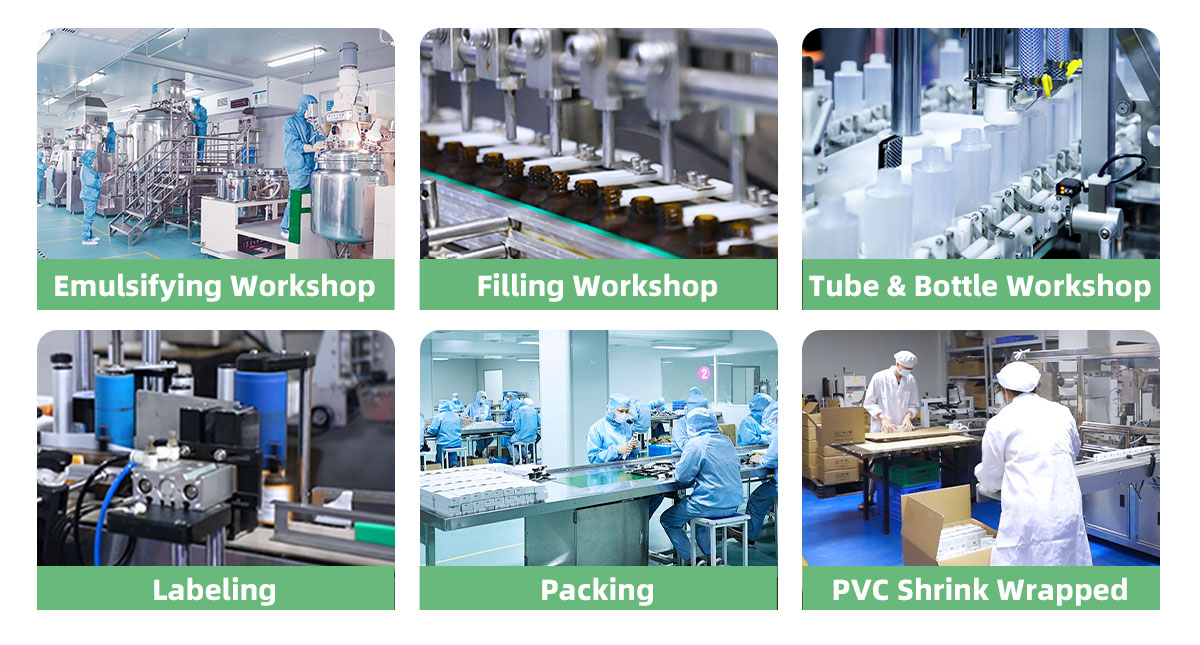
These certifications aren't just wall decorations—they're your insurance policy when entering regulated markets. A skin care manufacture partner with comprehensive certs can provide the documentation trail that Amazon, Sephora, and international customs authorities require.
Key questions to ask:
Dimension 4: Export Competence & Supply Chain Reliability
Your private label skin care manufacturer should function as an extension of your logistics team. This means:
Key questions to ask:

The MOQ Reality: What "Low MOQ" Actually Means
Nearly every skin care line manufacturer advertises "low MOQ," but the term is used loosely. To make informed decisions about your private label body care products, you need to understand the three distinct MOQ layers:
Layer 1: Formulation MOQ
This is the minimum volume of actual product the factory will manufacture in a single batch. For body lotions and washes, this can be as low as 100–500 units. For complex emulsions requiring specialized equipment, it may be 1,000–2,000 units.
Layer 2: Packaging MOQ
This is where most founders get surprised. While a factory might accept a 500-unit formulation MOQ, the packaging supplier (bottles, jars, pumps, cartons) often has a 5,000–10,000 unit minimum. The solution? Work with a skin care manufacture partner that maintains a library of stock packaging options, or be prepared to absorb higher per-unit costs on your first production run.
Layer 3: Printing & Labeling MOQ
Custom labels, screen printing, and hot foil stamping carry their own minimums—typically 1,000–3,000 units. Digital printing has lowered this barrier, with some private label skin care manufacturers now offering 500-unit custom label runs.
The Smart Founder's Approach
The most strategic brands work with private label skincare companies that offer tiered MOQ structures:
Guangzhou Royax Cosmetics Co., Ltd, for instance, supports low-MOQ private label programs that allow even small businesses to launch their own private label skin care products without the burden of massive inventory commitments. Sample turnaround is 3–7 days, with full production orders delivered in 10–30 days.
Formulation Strategy: Stock, Semi-Custom, or Full Custom?
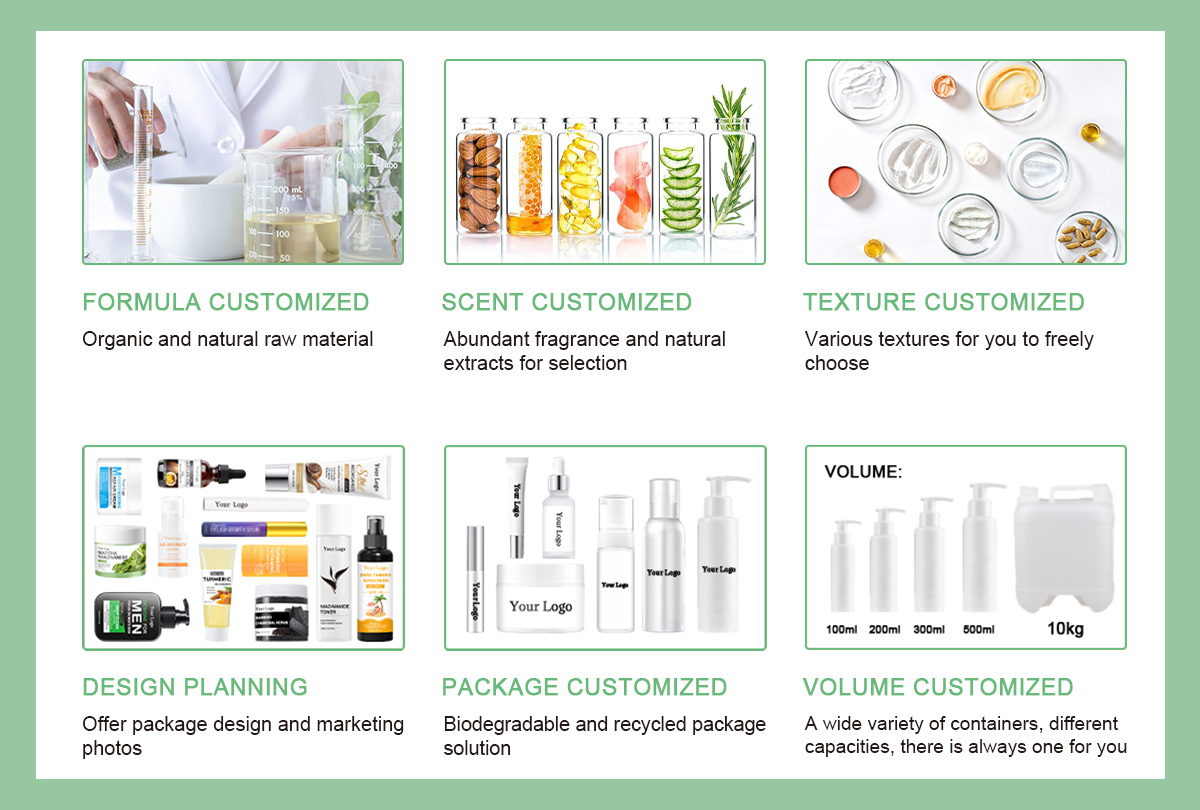
One of the most important decisions you'll make with your skin care line manufacturer is how much formulation customization you need. Each path has distinct implications for speed-to-market, differentiation, and cost.
Path 1: Stock Formulations (Fastest Launch)
You select from the factory's existing, proven formulations. These are the same base formulas being used by dozens—sometimes hundreds—of other brands worldwide. The advantage is speed: you can go from contract to finished goods in as little as 15–20 days. The disadvantage is limited differentiation; your product is chemically identical to competitors using the same base.
Best for: Amazon sellers testing product-market fit; salon owners wanting branded retail products quickly; influencers launching merch lines.
Path 2: Semi-Custom Formulations (Balanced Approach)
You start with a stock base but modify 1–3 elements: active ingredient concentration, fragrance profile, texture modifier, or preservative system. This typically adds 30–45 days to development but creates genuine product differentiation.
Best for: DTC brands that need a unique selling proposition; spa lines where signature scent is part of brand identity; clinical brands adjusting active percentages.
Path 3: Full Custom Formulation (Maximum Differentiation)
Your skin care manufacture partner develops a formulation from scratch based on your specific brief. This involves stability testing, preservative efficacy testing, compatibility studies, and often 60–120 days of R&D. The investment is significant, but the result is a truly proprietary product.
Best for: Brands with strong capital backing; clinical skincare lines with specific efficacy claims; brands planning to file patents on delivery systems or active combinations.
The best private label skin care manufacturers offer all three paths and will honestly advise you on which approach fits your stage, budget, and competitive landscape. Be wary of any private label skin care manufacturers that push full custom formulation on a first-time founder with a $15,000 budget—that's misaligned incentives.

Ingredient Trends Reshaping Private Label Body Care Products in 2026
To stay competitive, your private label body care products must reflect what today's ingredient-savvy consumers demand. Based on market data and formulation requests across leading factories, here are the trends defining the category:
Trend 1: "Skinification" Actives Below the Neck
Body products are adopting facial-grade actives:
Trend 2: Natural, Clean, and Traceable
Consumers want recognizable ingredients:
Trend 3: Multi-Functional Formats
Modern consumers want efficiency:
Trend 4: Men's Body Care Expansion
The men's grooming segment is rapidly growing, with body washes, deodorants, and moisturizers seeing strong B2B sales. Brands that create masculine-positioned body care lines with your private label skin care manufacturer are tapping into a blue ocean.
Trend 5: Wellness-Adjacent Products
Holistic self-care is driving demand for:
The Anatomy of a Competitive Body Care Line: A Recommended 5-SKU Architecture
Based on what's working for successful brands partnering with private label skin care manufacturers in 2026, here's a proven architecture for launching your private label body care products:
SKU 1: The Hero Body Lotion (Anchor Product)
Your bestseller. Formulate with niacinamide + hyaluronic acid + shea butter. 250ml pump bottle. Price point: 24–38 retail. This is your volume driver and subscription candidate.
SKU 2: The Signature Body Wash (Daily Use)
A sulfate-free, naturally derived surfactant base with a signature fragrance (custom-developed with your skin care line manufacturer). 400ml tube or bottle. Price point: 18–28 retail. High-frequency repurchase.
SKU 3: The Differentiated Body Butter (Premium Tier)
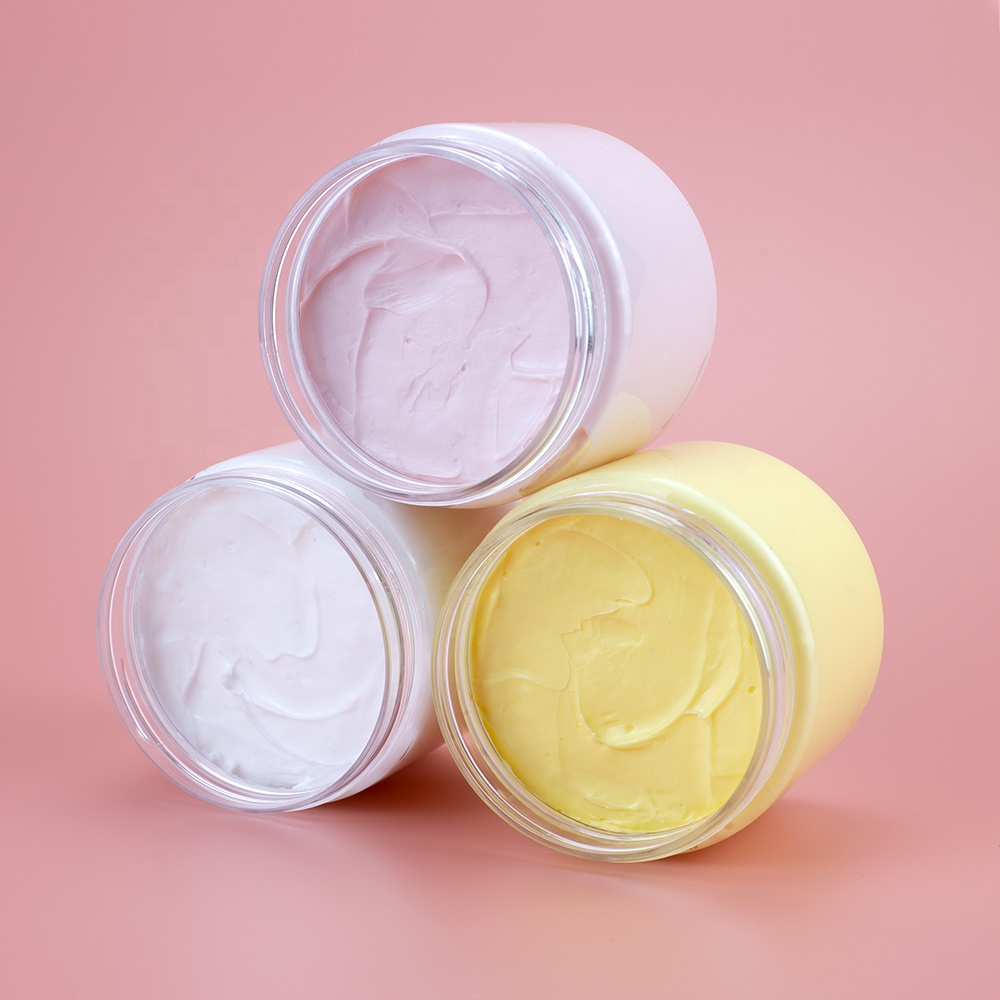
Whipped texture with raw shea butter, cocoa butter, and a hero active (vitamin C for brightening, or peptides for firming). 200ml jar. Price point: 32–48 retail. Your margin champion.
SKU 4: The Treatment Product (Clinical Credibility)
Either a niacinamide brightening lotion, an AHA/BHA smoothing body cream, or a retinol anti-aging body treatment. 150–200ml. Price point: 38–65 retail. This product establishes your brand's efficacy credentials.
SKU 5: The Niche Innovator (Social Media Magnet)
Something with a "wow" factor: a chili-based slimming hot cream, a magnesium sleep body spray, a collagen body milk, or a turmeric brightening butter. 100–200ml. Price point: 22–40 retail. This is your press and influencer bait.
This 5-SKU architecture allows you to:
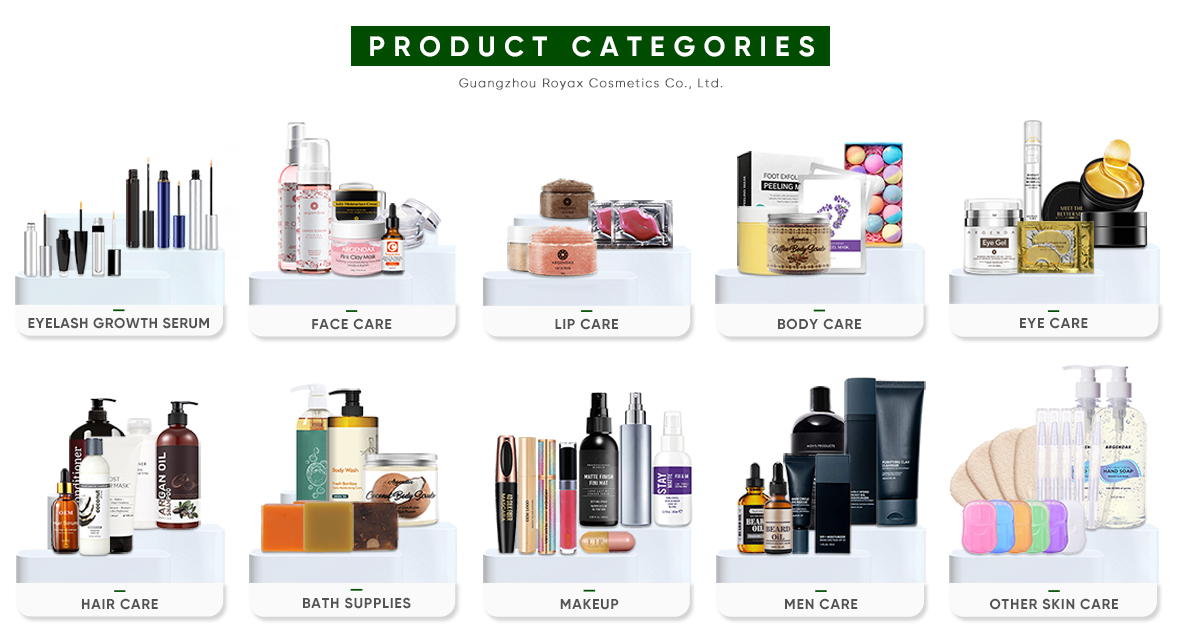
All five can be developed with a single private label skin care manufacturer like Guangzhou Royax Cosmetics Co., Ltd, which maintains a body care product range spanning body lotions, body butters, body scrubs, stretch mark creams, hand and foot care, slimming series, and essential oils.
Compliance & Documentation: Your Global Passport
When you work with private label skin care manufacturers, compliance isn't bureaucracy—it's your license to operate in premium markets. Here's what you need to know:
United States: MoCRA (Modernization of Cosmetics Regulation Act)
As of 2026, MoCRA requires:
Your skin care manufacture partner must provide complete documentation for each of your private label body care products. Factories like Guangzhou Royax Cosmetics Co., Ltd, with FDA registration and 10+ years of export experience, streamline this process.
European Union: CPR (Cosmetics Products Regulation)
EU market access requires:
United Kingdom: UK REACH & UK Cosmetics Regulation
Post-Brexit, the UK maintains its own regulatory framework, requiring:
Middle East & Southeast Asia
Markets like UAE, Saudi Arabia, and ASEAN countries have their own certification requirements (e.g., GSO, HALAL certification for Middle East markets, ASEAN Cosmetic Directive compliance). The best private label skin care manufacturers have experience navigating all of these and will guide you through market-specific documentation.
Amazon & E-Commerce Platforms
Amazon requires suppliers to provide:
Working with private label skincare companies that already hold these certifications prevents listing suspensions and ensures smooth platform onboarding.
Why Guangzhou Royax Cosmetics Co., Ltd Should Be On Your Shortlist
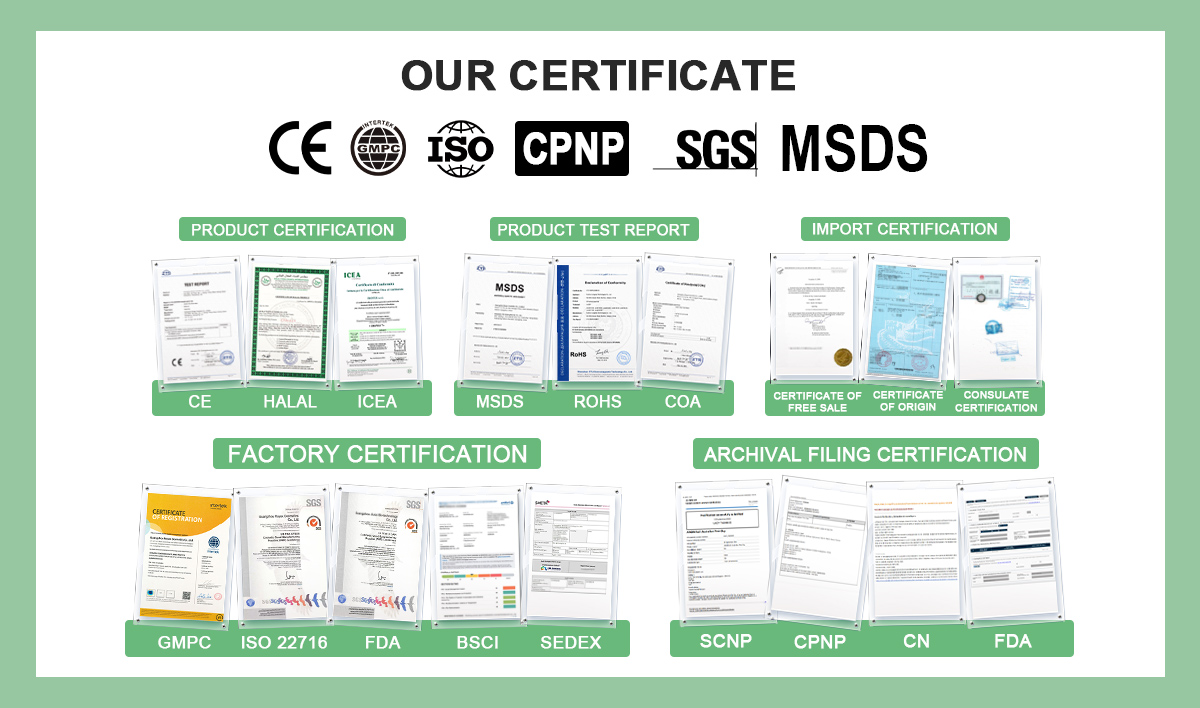
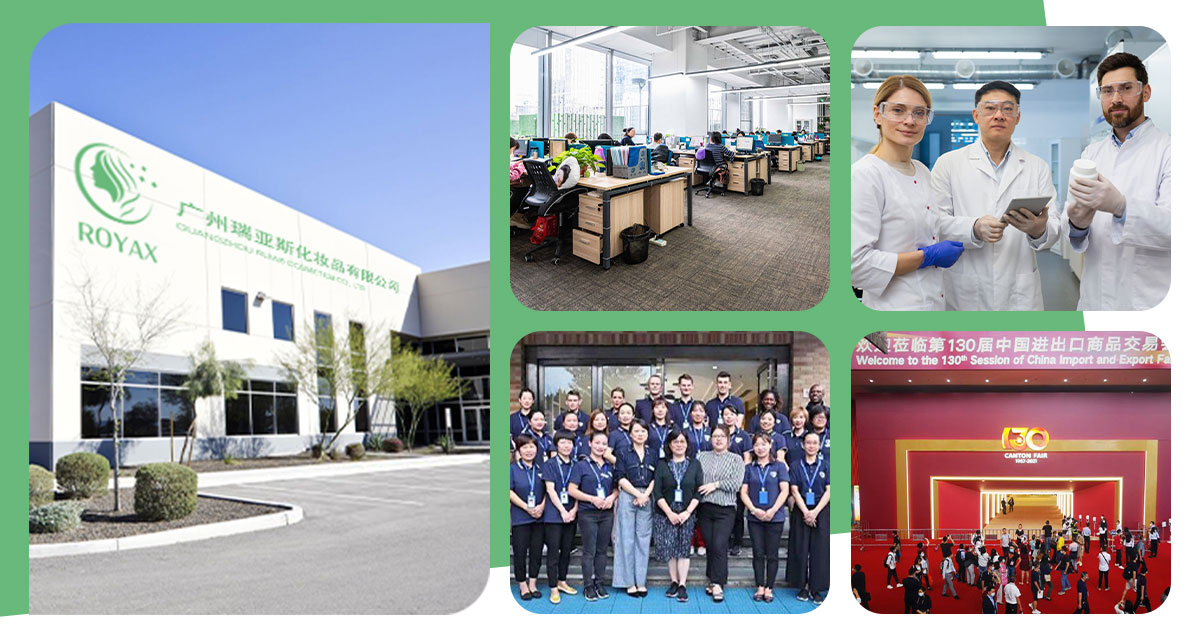
When evaluating private label skincare companies for your private label body care products, Guangzhou Royax Cosmetics Co., Ltd (Royax) merits serious consideration. Here's an honest assessment of what we bring to the table:
Track Record & Capacity
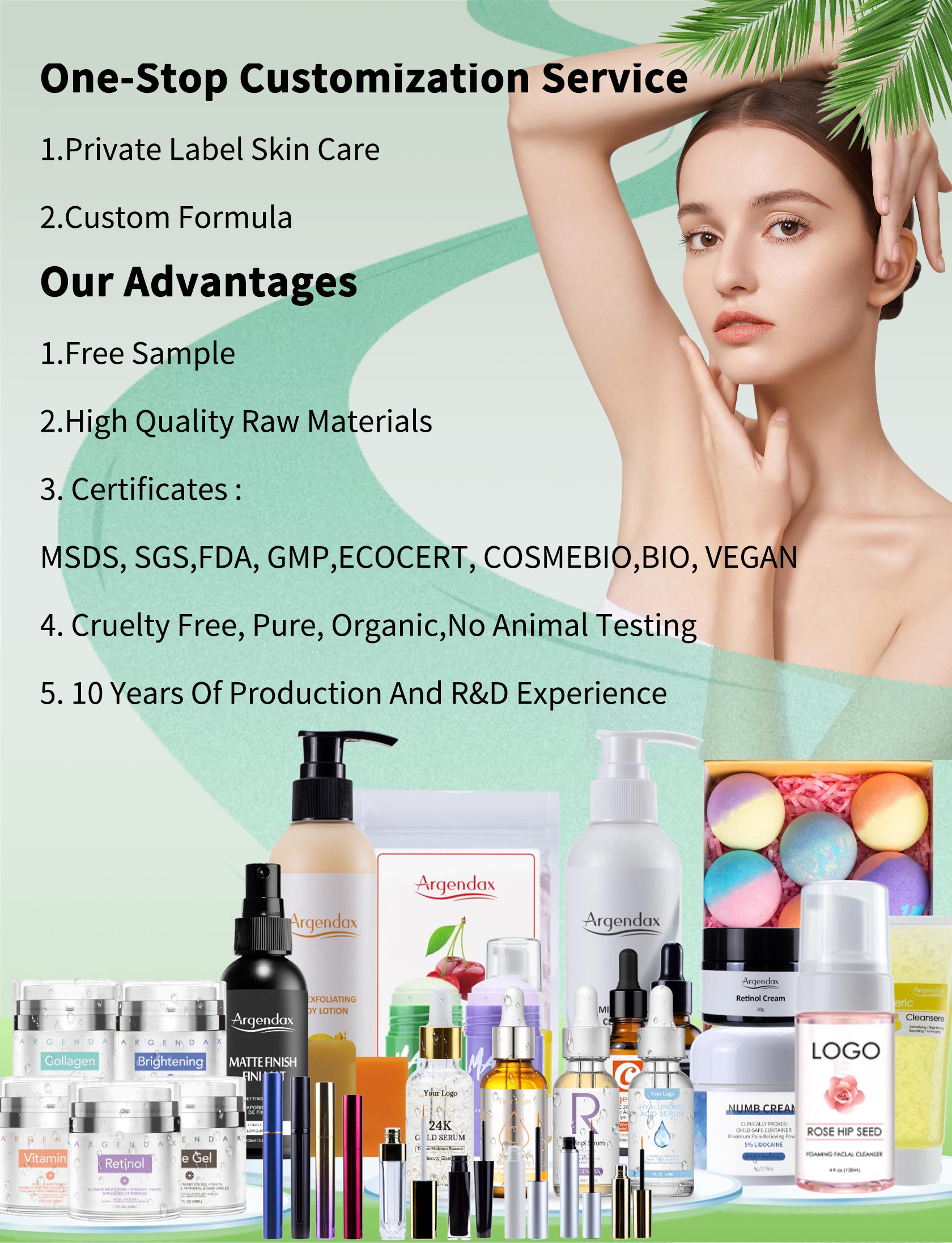
With over 10 years of experience in skin care product manufacturing and export to 150+ countries, Royax has the institutional knowledge to navigate complex international requirements. Our product portfolio spans:
Certifications & Quality Systems
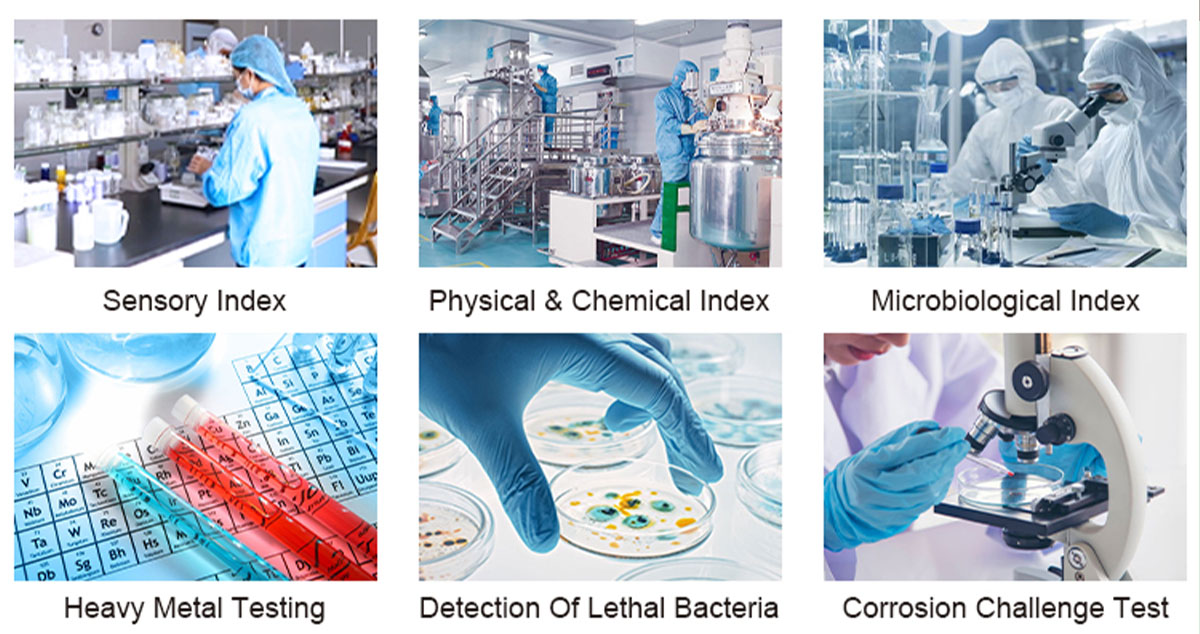
Royax maintains ISO 9001, ISO 14001, GMP, and FDA certifications. Our quality control system operates throughout all stages of production, ensuring total customer satisfaction. These certifications meet the requirements of major e-commerce platforms including Amazon, providing a worry-free route to market.
Speed & Flexibility
Formulation & Customization Depth
Royax supports private label skin care, custom manufacturing, and wholesale across a comprehensive product range. Whether you need stock formulations for fast launch or fully custom formulations for differentiation, our R&D team works with you to achieve your desired texture, fragrance, active concentration, and packaging.
Transparent Pricing
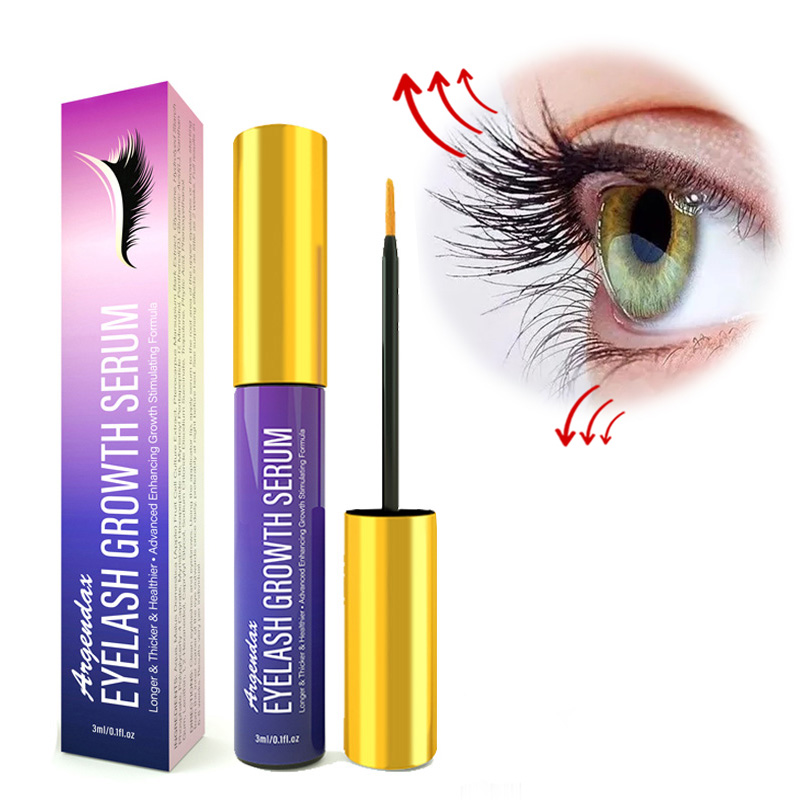
Example from our catalog: private label body butter ranges from 1.90–2.30/unit; eyelash growth serum from 1.28–2.88/unit; turmeric skin care sets from 10–15/unit. These transparent price points allow you to build accurate financial models before committing to production.
Direct Communication
Company: Guangzhou Royax Cosmetics Co., Ltd
Address: Rm 3003, Floor 3, No. 1, Yi Heng Road, He Long Street, Baiyun District, Guangzhou, Guangdong, CN-CHINA
Email: lancy@royaxcosmetics.com
WhatsApp / Tel: (+86) 18200874404
Website: www.royaxskincare.com
We encourage you to reach out directly. Unlike private label skin care manufacturers that route you through layers of sales representatives, we believe in founder-to-founder dialogue.
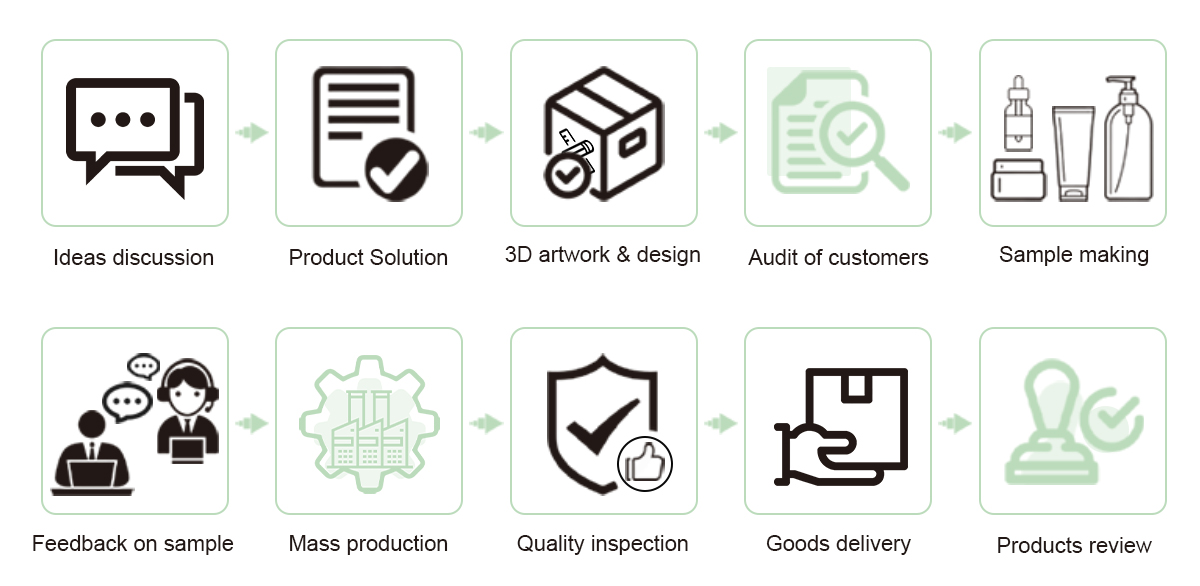
The 90-Day Launch Roadmap: From Concept to Shelf
Here's a realistic timeline for launching your private label body care products with a competent skin care line manufacturer:
Days 1–15: Discovery & Alignment
Days 16–30: Formulation & Sampling
Days 31–50: Packaging & Design
Days 51–75: Regulatory & Documentation
Days 76–90: Production & Logistics
This 90-day window is achievable because private label skin care manufacturers like Royax have streamlined the process through experience. Brands that attempt full custom formulation from day one should expect 120–180 days instead.
Common Pitfalls When Working with Private Label Skin Care Manufacturers
Having worked with hundreds of brands, we've identified the most frequent mistakes founders make:
Mistake 1: Choosing Price Over Partnership
The temptation to select the cheapest private label skin care manufacturer is understandable, but it's often costly. Lowest-cost factories frequently cut corners on:
The best private label skin care manufacturers aren't the cheapest—they're the ones whose per-unit cost delivers the lowest total cost of ownership when you factor in returns, recalls, and lost brand equity.
Mistake 2: Over-Customizing Too Early
Founders who insist on full custom formulation for their first 5 SKUs often burn 6–12 months and $50,000+ before generating a single dollar of revenue. Start with stock or semi-custom formulations, validate the market, then invest in proprietary R&D once you have proof of demand.
Mistake 3: Ignoring MOQ Realities
Assuming "low MOQ" means you can order 100 units of a fully custom-packaged product is a recipe for disappointment. Understand the three MOQ layers (formulation, packaging, printing) and plan accordingly.
Mistake 4: Neglecting the Regulatory Foundation
Brands that launch on Amazon or in the EU without proper documentation face suspension, seizure, and reputational damage. Your skin care manufacture partner must be your compliance ally from day one.
Mistake 5: Underestimating the Power of Body Care
As discussed earlier, brands that anchor on body care scale more predictably than those that lead exclusively with facial skincare. Don't make body care an afterthought.
Pricing & Margin Architecture for Private Label Body Care Products
Let's talk numbers. Here's a realistic margin model for a body lotion SKU manufactured by a private label skin care manufacturer at scale:
|
Cost Component |
Per-Unit Cost (USD) |
|---|---|
|
Formulation & raw materials (niacinamide + HA + shea butter base) |
0.85–1.50 |
|
Packaging (250ml pump bottle + cap + carton) |
0.40–0.80 |
|
Label printing (digital, 500+ run) |
0.10–0.20 |
|
Labor & overhead allocation |
0.20–0.40 |
|
Factory FOB cost |
1.55–2.90 |
|
International freight & duties (to US/EU) |
0.50–1.20 |
|
Landed cost |
2.05–4.10 |
|
Recommended retail price |
24–38 |
|
Amazon/customer acquisition cost |
15–25% of retail |
|
Estimated contribution margin |
55–65% |
This model illustrates why private label body care products offer such attractive economics. Even after factoring in freight, duties, and customer acquisition, brands maintain healthy margins that fuel growth and reinvestment.
Future-Proofing Your Brand: Trends to Watch Beyond 2026
The best private label skin care manufacturers don't just react to trends—they anticipate them. Here's where body care is heading:
1. Microbiome-Friendly Formulations
Body products that support the skin's natural microbiome (prebiotics, postbiotics, probiotic ferment filtrates) will become mainstream. Brands working with forward-thinking private label skin care manufacturers are already developing these.
2. Waterless & Concentrated Formats
Solid body lotions, bars, and powder-to-lotion conversions reduce shipping weight and packaging waste. These align with both sustainability goals and freight cost reduction.
3. Refillable & Circular Packaging
Premium body care brands are moving toward refillable glass jars and aluminum bottles. Your skin care line manufacturer should be able to source and customize these formats.
4. Clinically Proven Claims
The era of vague "moisturizing" claims is ending. Brands that invest in clinical studies and consumer perception tests will command premium pricing. Work with private label skin care manufacturers who can connect you to clinical testing partners.
5. AI-Driven Personalization
Body care kits customized to individual skin profiles (via quiz or AI assessment) represent the next frontier. The private label skincare companies that thrive will offer modular formulation platforms enabling mass personalization.
6. Regenerative & Ethically Sourced Ingredients
Beyond "natural," consumers want to know their shea butter, cocoa butter, and plant oils are ethically and regeneratively sourced. Traceability documentation from your skin care manufacture partner will become a competitive differentiator.
Conclusion: Your Next Step Toward a Category-Leading Body Care Brand
The window of opportunity for private label body care products is wide open. Consumer demand is surging, formulation technology has never been more sophisticated, and private label skin care manufacturers have never been more capable of supporting ambitious brands at any scale.
But opportunity without execution is just potential. The brands that win in 2026 and beyond will be those that:
Guangzhou Royax Cosmetics Co., Ltd has spent over a decade helping brands across 150+ countries navigate exactly this journey. We're not claiming to be the only private label skin care manufacturer capable of delivering exceptional results—but we are confident that our combination of certification depth, formulation breadth, speed-to-market, and founder-level communication makes us one of the best private label skin care manufacturers for ambitious body care brands.
Ready to Begin?
We invite you to start a conversation with our team. Whether you have a fully formed product brief or are starting from a blank page, we'll provide honest counsel on the best path forward for your brand.
Guangzhou Royax Cosmetics Co., Ltd
Address: Rm 3003, Floor 3, No. 1, Yi Heng Road, He Long Street, Baiyun District, Guangzhou, Guangdong, CN-CHINA
Email: lancy@royaxcosmetics.com
WhatsApp / Tel: (+86) 18200874404
Website: www.royaxskincare.com
Reach out today, and let's discuss how we can help you build private label body care products—and a complete private label skin care line—that earns shelf space, customer loyalty, and lasting brand equity.
Your first samples can be ready in 3–7 days. Your first production order can ship in 10–30 days. Your brand's future customers are already waiting.
The only question is: will you start today?

Frequently Asked Questions
Q: What's the typical MOQ for private label body care products with Royax?
A: We support low-MOQ programs to enable small businesses to launch their own lines. Exact MOQs depend on formulation complexity and packaging choices. Contact us at lancy@royaxcosmetics.com for specific quotes.
Q: How long does it take to receive samples?
A: Our standard sample turnaround is 3–7 days. We iterate until you are satisfied with the formulation, texture, and fragrance.
Q: Which certifications does Guangzhou Royax Cosmetics Co., Ltd hold?
A: We maintain ISO 9001, ISO 14001, GMP, and FDA certifications, meeting the requirements of major e-commerce platforms including Amazon.
Q: Can you help with custom formulation, or only stock formulas?
A: We offer all three paths: stock formulations for fast launch, semi-custom formulations for differentiation, and full custom R&D for proprietary products. Our team will advise you on the best approach for your brand stage.
Q: Do you export to my country?
A: We currently export to 150+ countries worldwide. Our logistics team has experience with diverse international requirements and can guide you through market-specific compliance.
Q: How do I get started?
A: Simply reach out via WhatsApp at (+86) 18200874404 or email lancy@royaxcosmetics.com. We'll schedule a consultation to discuss your brand vision, recommend an SKU architecture, and provide transparent pricing.
Guangzhou Royax Cosmetics Co., Ltd – Your strategic partner for private label body care products and comprehensive private label skin care manufacturing. Building brands across 150+ countries, one exceptional formulation at a time.
-Private Label Skin Care Products | Skin Care Products Manufacturer | Wholesale
-Top 10 Manufacturer & Low MOQ & Free Design & Competitive Price & Fast Shipping.
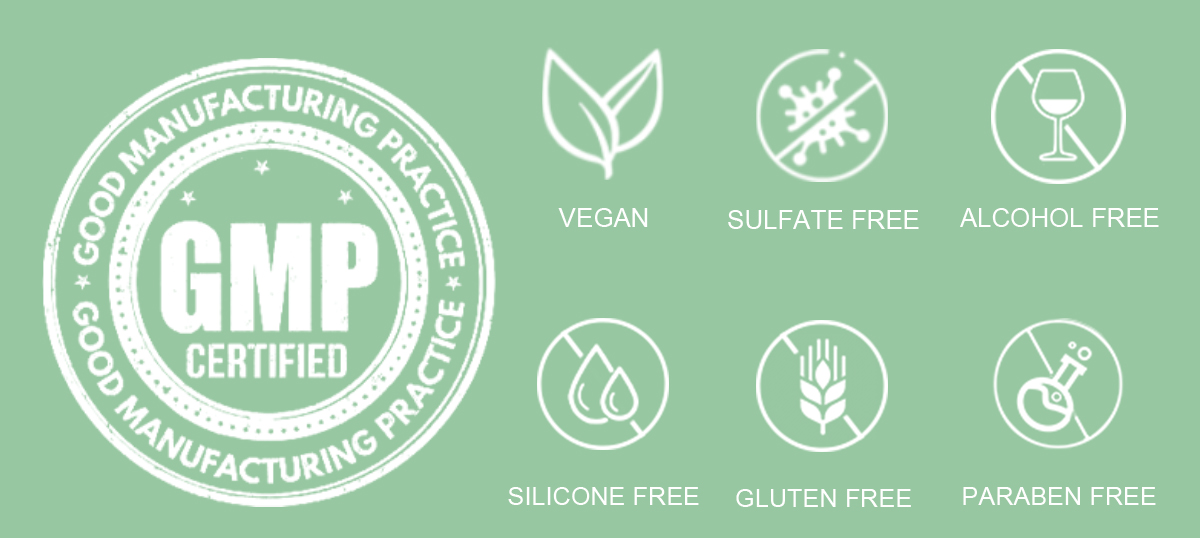
-Our Ingredients Are All Natural | Vegan | Organic | Cruelty-Free | Eco Friendly | Gluten Free | Paraben Free | Silicone Free | Sulfate Free
-Our Production Complies With EU And FDA Standards