Launching a skincare brand in 2026 is no longer about finding any factory that can fill a jar. It is about choosing the right partner among global skincare private label companies that can protect your formula, your compliance paperwork, your launch timeline, and your reputation. The brands that scale are the ones that treat manufacturing as a strategic function, not a transactional purchase. They ask better questions about stability testing, ingredient traceability, packaging compatibility, market-specific regulations, and reorder planning long before they approve a first batch.
This guide explains how professional private label skin care manufacturers operate, what separates a reliable skin care manufacture partner from a low-cost filler, and how to build a profitable relationship with a skin care line manufacturer that can grow from your first 500 units into global wholesale and retail distribution. Throughout the article we also show how Guangzhou Royax Cosmetics Co., Ltd supports international founders, salons, medspas, ecommerce sellers, and established distributors with end-to-end private label skin care products and custom formulation services.
Why Skincare Private Label Companies Are Replacing In-House Production
Most new beauty entrepreneurs start with the same idea: “I will create my own formula and manufacture it myself.” In theory, that gives maximum control. In practice, it creates enormous risk. Cosmetic manufacturing requires certified facilities, trained chemists, stability chambers, microbiological controls, raw-material suppliers, packaging vendors, regulatory documentation, and batch-recall systems. Building that infrastructure can cost millions and take years.
This is why skincare private label companies exist. Instead of building a factory, a brand uses a manufacturer’s approved formula library, R&D team, production lines, and compliance systems. The brand focuses on positioning, marketing, customer experience, and sales, while the manufacturer handles formulation, filling, testing, and documentation.
The private label model works for several business types:
- Indie founders who want to launch three hero products without investing in a laboratory.
- Spa and medspa owners who need professional-grade facials, serums, and aftercare kits under their own name.
- Ecommerce sellers who want Amazon-ready private label skin care with compliant labels and safety files.
- Retail buyers who need white-label or lightly customized SKUs for store brands.
- Distributors in Europe, North America, the Middle East, Africa, and Asia who want regional compliance support.
- Established beauty brands that need additional capacity, second-source manufacturing, or faster prototype turnaround.
A good manufacturing partner does more than produce cream. It reduces your time to market, lowers your fixed costs, improves batch consistency, and helps you avoid the regulatory mistakes that can get a product removed from a marketplace.
What “Private Label Skin Care” Really Means In 2026
The term private label skin care is often used loosely. Some factories use it to describe pure white label: take an existing product, change the sticker, and ship it. Others use it to describe a semi-custom program where you select a base formula and adjust actives, fragrance, texture, and packaging. The most advanced manufacturers offer full custom ODM, where chemists build a formula from a brief.
Brands should understand three common models:
- White label or stock private label – You choose from ready-made formulations. This is the fastest and usually the cheapest. It works for testing demand, but many brands will use the same base.
- Modified private label – You start from a proven base and adjust key parameters: active percentage, viscosity, scent, preservative system, color, and packaging. This balances speed and differentiation.
- Full custom formulation – The manufacturer develops a unique INCI list, performs stability and compatibility testing, and protects the formula under confidentiality. This takes longer and costs more, but creates defensible intellectual property.
Professional private label skin care manufacturers should be honest about which model fits your stage. If you are validating a new brand, stock or modified formulas reduce risk. If you already have traction and want a signature product, custom development is better.
At Guangzhou Royax Cosmetics Co., Ltd, the team works across all three models. A first-time founder may begin with a hyaluronic acid serum base and customize concentration, packaging, and label. A mature brand may request a fully original barrier-repair cream with clinical-style documentation and regional compliance support.
The Difference Between Ordinary Factories And Real Skin Care Manufacture Partners
Many sourcing agents promise “we can make any skincare.” Few can prove it. The difference between a commodity filler and a serious skin care manufacture partner appears in the details.
A qualified manufacturer should provide:
- A documented quality management system aligned with cosmetic GMP principles.
- ISO 22716 or equivalent cosmetic GMP documentation.
- Facility certifications appropriate for your target market, plus FDA establishment registration where relevant for U.S. exports.
- Raw-material qualification, supplier audits, and certificate-of-analysis handling.
- In-house or partnered stability testing, including accelerated stability and real-time stability where needed.
- Microbiological testing, preservative efficacy testing, and contamination controls.
- Packaging compatibility checks, especially for airless pumps, droppers, tubes, and acidic or oxidative formulas.
- Batch traceability from raw material lot to finished goods.
- Standard operating procedures for complaints, deviations, and corrective action.
- Label review support for INCI nomenclature, warnings, net content, and market-specific claims.
When you compare private label skincare companies, do not be impressed by a long product catalog alone. Ask how the factory protects product safety after it leaves the building. A beautiful jar means nothing if the emulsion separates in a hot warehouse or the preservative system fails in a humid climate.
Royax operates from Guangzhou, one of the world’s most concentrated cosmetics manufacturing regions, and maintains quality control across formulation, production, filling, inspection, and export documentation. The company’s workflow is designed so international brands receive not only finished private label skin care products but also the technical confidence required for cross-border sales.
How To Choose Among The Best Private Label Skin Care Manufacturers
Searching for the best private label skin care manufacturers returns hundreds of names: U.S. labs, European boutique houses, Korean ODM specialists, and Chinese full-service factories. Each has strengths. The right choice depends on your volume, compliance market, formulation complexity, and brand positioning.
Use the following evaluation framework.
1. Regulatory Fit By Market
If you sell in the United States, your manufacturer should understand FDA cosmetic establishment registration, labeling rules, and MoCRA expectations, including safety substantiation and adverse-event handling. If you sell in the European Union, the factory should support EU cosmetic regulation requirements, responsible-person documentation, CPNP notification, and INCI compliance. For the Middle East, Gulf regulatory compliance and halal documentation may matter. For Asia, local notification rules vary by country.
A manufacturer that simply says “we ship worldwide” is not enough. Ask for examples of export documents, market-specific label reviews, and experience with your exact destination.
2. Formulation Depth
The best private label skin care manufacturers can explain why a vitamin C serum needs a certain pH, why a retinol cream needs stabilized encapsulation, and why a gel moisturizer behaves differently in tropical versus cold climates. Request case studies for products similar to yours: brightening serums, acne systems, anti-aging creams, hydrating essences, exfoliating acids, sunscreens, masks, toners, cleansers, or body treatments.
3. Testing Program
Stability testing should cover appearance, odor, pH, viscosity, phase separation, and active retention where relevant. Microbial testing should cover total plate count, yeast, mold, and pathogen absence. Preservative efficacy testing is important for water-based products. Packaging compatibility testing prevents pump clogging, oxidation, leaching, and label adhesion failures.
4. MOQ Transparency
Low MOQ is a marketing phrase unless the factory separates formula MOQ from packaging MOQ. You might be able to produce 500 units of formula, but custom bottles may require 3,000 units. A transparent skin care line manufacturer explains both numbers, offers stock packaging to reduce entry barriers, and helps you scale gradually.
5. Lead Time Realism
Sampling, formulation adjustment, packaging sourcing, label approval, stability checks, production, filling, inspection, and export shipping all take time. If a supplier promises any formula in two weeks with no testing, treat it as a warning sign. Reliable partners give staged timelines: sample development, confirmation, pilot run, full production, and reorder window.
6. IP Protection
Your formula, packaging design, and brand assets should be protected by confidentiality agreements. This is especially important for full custom work. Ask how the manufacturer restricts formula reuse, secures digital files, and manages third-party mold or label suppliers.
7. Communication And Project Management
International sourcing fails when replies are slow and responsibilities are unclear. Evaluate response time, English-language technical support, sample tracking, and post-production issue resolution. A strong partner assigns a project contact who understands both chemistry and commercial deadlines.
Guangzhou Royax Cosmetics Co., Ltd supports international buyers with structured inquiry management, sample development, formula adjustments, packaging recommendations, and export coordination. Brands can reach the team by email at lancy@royaxcosmetics.com or by WhatsApp and telephone at +86 18200874404 for technical and commercial discussions.
Skin Care Manufacture Workflow: From Brief To Reorder
A professional skin care manufacture project usually follows six stages. Understanding them helps you avoid delays and unnecessary reformulation.
Stage 1: Brand and product brief
You define target audience, skin concern, price positioning, texture preference, fragrance direction, key actives, and contraindications. A clear brief prevents endless trial samples.
Stage 2: Formula selection or development
The manufacturer proposes a stock formula, modified base, or custom prototype. For example, a brightening line may include vitamin C, niacinamide, and licorice extract. A hydration line may use hyaluronic acid, panthenol, glycerin, and ceramides. A soothing line may use centella, allantoin, and beta-glucan.
Stage 3: Sampling and testing
The factory prepares laboratory samples. You evaluate sensory properties: spreadability, absorption, stickiness, fragrance, after-feel. The manufacturer evaluates stability and microbiology. At least one revision round is normal.
Stage 4: Packaging and label engineering
Choose jar, tube, bottle, airless pump, or dropper based on formula chemistry. Acidic serums should avoid certain metals; oxygen-sensitive actives need airless or opaque packaging; viscous creams may require wide-mouth jars; liquids may use droppers or pumps. Labels must include INCI, net weight, batch space, warnings, and brand details.
Stage 5: Pilot and full production
After sample approval, the manufacturer schedules filling. Quality control includes raw-material inspection, in-process checks, filling accuracy, appearance inspection, microbiological clearance, and batch documentation.
Stage 6: Shipping and replenishment
The supplier coordinates export paperwork, freight, and delivery. A good skin care line manufacturer also forecasts reorder timing so you never run out of stock during peak sales.
This staged method is one reason brands working with disciplined private label skin care manufacturers experience fewer recalls, fewer negative reviews, and stronger repeat purchase rates.
Categories That Sell Well As Private Label Skin Care Products
The most successful launches usually start narrow. Rather than 20 SKUs, a new brand may launch three to five products that solve a clear problem. Royax develops a wide range of private label skin care products across facial care, body care, hair care, men’s grooming, bath, lip, sun, and professional spa categories.
Facial serums
Serums remain the highest-interest category for custom brands. Popular directions include:
- Hyaluronic acid hydration serum
- Vitamin C brightening serum
- Niacinamide pore-refining serum
- Retinol or bakuchiol anti-aging serum
- Peptide firming serum
- Centella calming serum
- Alpha-arbutin pigmentation serum
- Multi-acid exfoliating serum for experienced users
A strong skin care manufacture partner will warn you when actives conflict, when pH ranges are unsafe, or when packaging accelerates degradation.
Cleansers and toners
Gentle gel cleansers, foaming cleansers, oil cleansers, micellar waters, balancing toners, and exfoliating toners with BHA or PHA are staples for almost every brand. Low-MOQ entry often starts here because regimens need a cleanser.
Creams and lotions
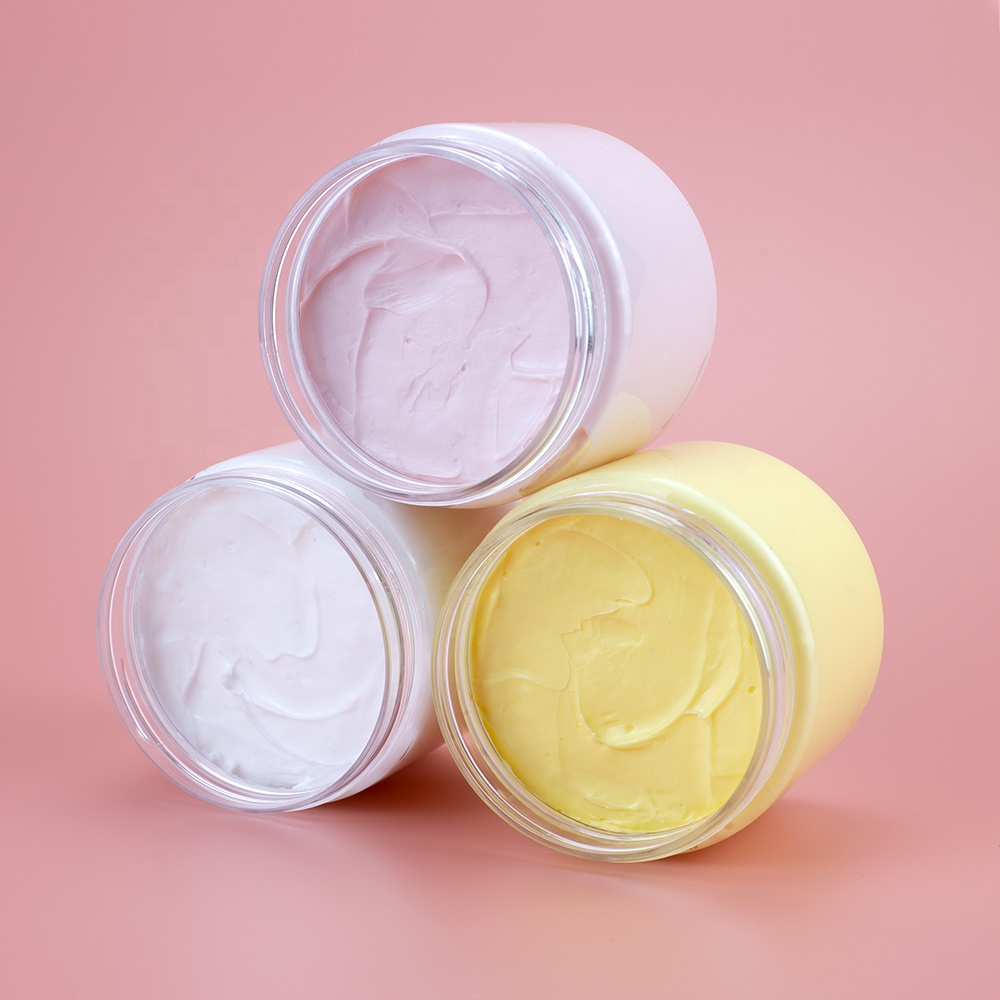
Moisturizers can be built for oily, dry, sensitive, mature, or combination skin. Barrier-repair creams with ceramides, squalane, and panthenol are in high demand. Anti-aging creams may include peptides, retinyl palmitate, coenzyme Q10, or plant stem-cell extracts. Body lotions and body butters extend the same formulation expertise into larger formats.
Masks
Clay masks, charcoal masks, peel-off masks, sheet masks, sleep masks, and hydrogel masks all require different manufacturing logic. Clay masks need uniform drying behavior; sheet masks need serum saturation and preservative balance; sleep masks need non-occlusive textures.
Sun protection and after-sun
Sun care is technically demanding. Depending on the market, sunscreen may be treated as a cosmetic or, in the United States, as an OTC drug when making SPF drug claims. A capable manufacturer should be transparent about regulatory class, allowable filters, testing requirements, and labeling obligations.
Eye and lip care
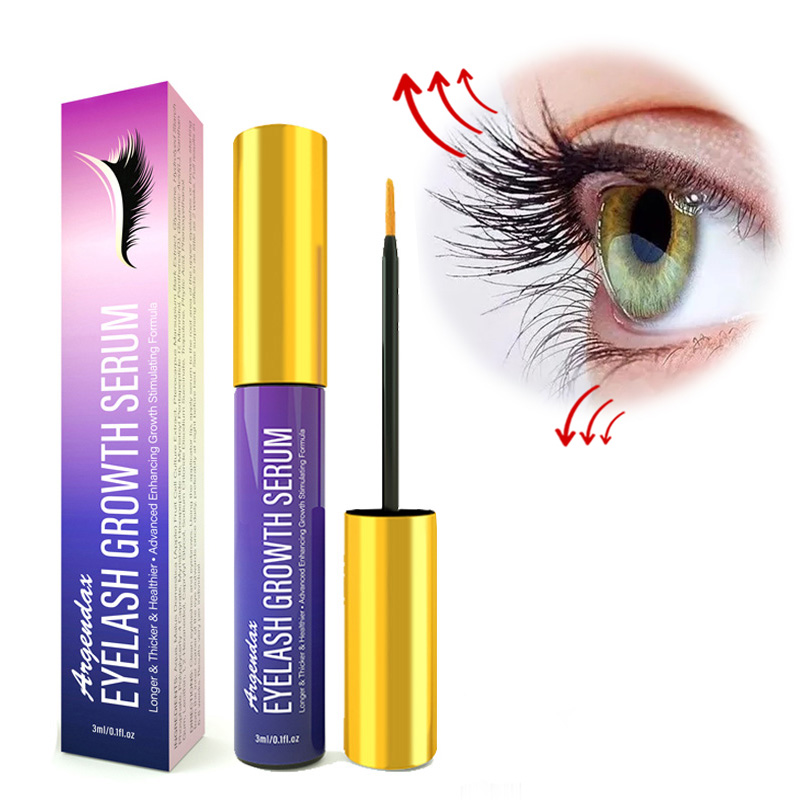
Eye creams, eye gels, eyelash serums, lip scrubs, lip masks, lip balms, lip plumpers, and tinted lip treatments are high-margin add-ons. These products require precise viscosity and packaging compatibility, especially for rollerball or brush-applicator formats.
Body and specialist care
Stretch-mark creams, slimming gels, firming lotions, hand creams, foot creams, breast and buttock enhancement creams, and deodorants can be produced under private label for niche retailers. These categories need careful claim review because efficacy claims may trigger regulatory scrutiny.
Hair and men’s care
Although the core request is skincare, many brands expand into hair growth sprays, shampoos, conditioners, beard oils, men’s face washes, and grooming kits. A full-range skin care line manufacturer that also handles hair and beard products reduces vendor fragmentation.
Why Guangdong And Guangzhou Are Global Hubs For Private Label Skin Care Manufacturers
When evaluating private label skin care manufacturers, location matters. The United States has strong domestic labs and fast local communication. Europe offers premium positioning and strict regulatory maturity. South Korea leads in trend-driven actives and K-beauty innovation. China, especially Guangdong and Guangzhou, offers integrated supply chains, large-scale production, broad formula libraries, competitive pricing, and mature export logistics.
Guangzhou is home to thousands of cosmetic factories, raw-material suppliers, packaging manufacturers, and testing laboratories. This cluster creates advantages:
- Faster component sourcing for bottles, pumps, boxes, and labels.
- Broader formula libraries across skincare, body, hair, and bath.
- Competitive pricing because local supply chains reduce intermediate costs.
- Experienced export teams familiar with incoterms, customs documents, and market-specific compliance.
- Scalability from small pilot batches to high-volume reorders without changing factories.
For international brands, a Guangzhou-based partner such as Guangzhou Royax Cosmetics Co., Ltd combines Eastern supply-chain efficiency with export-oriented quality systems. The factory address is Rm 3003, Floor 3, No. 1, Yi Heng Road, He Long Street, Baiyun District, Guangzhou, Guangdong, CN-CHINA. This location gives convenient access to suppliers, logistics providers, and international freight corridors.
Quality Systems Buyers Should Request From Private Label Skincare Companies
Top-ranking private label skincare companies win audits because their quality systems are demonstrable. When you request a quotation, ask for the following documents and practices.
Certifications and registrations
Depending on your market, request ISO 22716 cosmetic GMP, GMPC, ISO 9001 quality management, ISO 14001 environmental management where applicable, FDA establishment registration for U.S. exports, and additional certificates such as halal, cruelty-free, organic, or eco-labels if your brand requires them.
Raw material control
The manufacturer should qualify suppliers, retain specifications, verify certificates of analysis, and reject nonconforming materials. Traceability is critical for recalls and for brands that promote “clean” or “transparent” sourcing.
In-process quality control
During emulsion production, the team should monitor temperature, mixing speed, homogenization time, pH, viscosity, and appearance. Filling lines should be calibrated for accurate volume. Environmental monitoring helps control contamination in sensitive products.
Finished-product release
Before shipping, finished goods should pass appearance, odor, pH, viscosity, fill-weight, microbial limits, and stability review where applicable. For export, certificates of analysis and batch records should be available.
Stability and challenge testing
Accelerated stability at elevated temperature and humidity predicts long-term behavior. Real-time stability confirms shelf life. Preservative efficacy testing validates the preservation system. Photostability may be needed for certain actives or sunscreens.
Complaint and CAPA system
If a batch issue occurs, the manufacturer should document the complaint, investigate root cause, implement corrective and preventive actions, and report outcomes. Brands should avoid any factory that refuses to discuss complaints.
Royax integrates these controls across development and production. International clients receive documentation suitable for distributor audits, marketplace compliance, and internal quality assurance.
MOQ Strategy: How To Launch Small And Scale Without Inventory Risk
Minimum order quantity is one of the most misunderstood topics in private labeling. Some private label skin care manufacturers advertise “low MOQ” but hide packaging constraints. A smart MOQ strategy separates three variables:
- Formula batch minimum – the smallest economic batch the laboratory can produce.
- Packaging component minimum – the smallest order a mold, bottle, pump, or printed carton supplier accepts.
- Label and decoration minimum – screen printing, hot stamping, or custom boxes may require higher quantities than the formula.
For a first launch, stock packaging is usually the best option. It allows you to test the market with 500 to 2,000 units per SKU. Once demand is proven, you can move to custom molds, printed cartons, and larger batches.
As a flexible skin care line manufacturer, Royax supports low initial quantities for qualifying private label programs while keeping scale-up pathways clear. The objective is to help small brands avoid overstock and help established brands avoid stockouts. Sample development typically begins quickly, and commercial production can be scheduled after formula and packaging approval.
Lead Times: Realistic Timelines For Private Label Skin Care Products
Buyers often ask, “How fast can I launch?” The honest answer depends on formula complexity, packaging customization, testing requirements, and regulatory market.
A simple stock-formula launch with standard packaging may move quickly: sample evaluation, label design, small production, and shipment. A custom serum with novel actives, unique jar molding, and full stability testing will take longer.
Typical workflow windows:
- Initial consultation and brief: 1–3 business days
- Stock sample preparation: a few days to two weeks depending on catalog availability
- Custom sample development: two to four weeks for first prototype, plus revision time
- Stability and microbial planning: concurrent with sample approval; accelerated programs can be scheduled before mass production
- Packaging sourcing for stock components: one to three weeks
- Custom molding and printing: longer, depending on tooling and carton production
- First production run: depends on batch size, formula type, and line availability
- Quality release and export shipping: additional time based on Incoterms, freight mode, and customs
Reliable private label skin care manufacturers give range estimates rather than guarantees, because every delay usually comes from artwork changes, unpaid deposits, unstable custom formulas, or late packaging approvals. Royax communicates milestone-based timelines so founders can plan Amazon launches, spa promotions, or retail buy-in dates.
Compliance And Claims: The Hidden Reason Brands Choose Experts
Skincare is a high-scrutiny category. Regulators and marketplaces increasingly require safety substantiation, ingredient transparency, and conservative claims. Many new brands damage themselves by writing “cures acne,” “removes wrinkles permanently,” or “whitens” without regional compliance review.
Professional private label skin care manufacturers help you use acceptable claim language:
- Instead of “cures acne,” use “helps reduce the appearance of blemishes” where permitted.
- Instead of “removes wrinkles,” use “improves the appearance of fine lines.”
- Instead of unsubstantiated “natural,” use defined claims supported by ingredient data.
- Instead of “hypoallergenic” without testing, use “formulated for sensitive skin” with appropriate testing where required.
Your manufacturer should review labels for INCI accuracy, allergen disclosure, expiration or period-after-opening, warnings, and market-specific rules. For the U.S., MoCRA raises expectations for safety substantiation and facility transparency. For the EU, responsible-person files and CPNP notifications are mandatory. For the Gulf and parts of Asia, additional documents may apply.
Royax supports export-oriented documentation and label review aligned with major destination markets. While the factory cannot replace a local regulatory consultant for every country, its technical team reduces the most common compliance errors before production.
Comparing Skincare Private Label Companies By Business Model
Different skincare private label companies suit different goals. Use this simplified comparison when building your shortlist.
U.S. and Canadian labs
Strengths: local communication, fast domestic shipping, Made-in-USA positioning, strong compliance culture, good for medspa and clinical brands. Limitations: higher unit cost, smaller formula libraries in some labs, MOQ structures that may still be significant for custom work.
European specialists
Strengths: premium perception, strong regulatory maturity, natural and organic certification ecosystems, refined textures. Limitations: higher price, longer lead times for custom packaging, less cost-competitive for mass volumes.
South Korean ODMs
Strengths: trend innovation, fermentation, snail mucin, peptide delivery, K-beauty marketing appeal. Limitations: high customization may require larger orders; some actives need careful global regulatory mapping.
Chinese full-service manufacturers in Guangdong
Strengths: broad formula libraries, competitive pricing, fast component sourcing, scalable capacity, strong export experience. Limitations: distance and time-zone management for Western brands, need for strict supplier auditing to ensure quality consistency.
Hybrid sourcing
Some brands use a Korean or European partner for hero innovation and a Guangzhou partner for volume, bath, body, hair, and promotional sets. A flexible skin care manufacture strategy can use multiple factories if each has clear quality agreements.
Guangzhou Royax Cosmetics Co., Ltd fits brands that want one export-oriented partner for skincare, body, hair, men’s, bath, lip, and spa products, with the ability to start small and scale into wholesale without changing suppliers.
Building A Skin Care Line Manufacturer Relationship That Lasts
A one-time purchase does not build a brand. A long-term relationship with a skin care line manufacturer creates continuous improvement. The best collaborations include:
- Quarterly formula reviews to improve texture, stability, or cost.
- Seasonal product extensions, such as brightening summer serums or richer winter creams.
- Packaging upgrades that reduce plastic, improve recyclability, or enhance shelf appeal.
- Reformulation support when regulations change or raw-material prices shift.
- Forecast-based production so bestsellers never go out of stock.
- Co-development of hero actives that differentiate your line from other private label skincare companies.
Royax structures accounts around repeat collaboration. Rather than treating each order as isolated, the team tracks formula versions, packaging preferences, past stability results, and client feedback. This reduces onboarding time for every new SKU.
Sustainability, Clean Beauty, And 2026 Consumer Expectations
Modern buyers ask harder questions. They want vegan options, cruelty-free assurance, recyclable packaging, transparent ingredient stories, and “free-from” formulas that do not compromise safety. Leading private label skin care manufacturers respond with:
- Vegan formulations without animal-derived collagen, elastin, or cholesterol where required.
- Cruelty-free policies with documentation suitable for Leaping Bunny-style audits or marketplace declarations.
- Recyclable mono-material bottles, refill pouches, glass with reduced metal parts, and FSC-certified cartons.
- “Free-from” options such as paraben-free, sulfate-free, silicone-free, or synthetic-fragrance-free, always balanced against preservation and stability needs.
- Natural and organic ingredient programs with certification pathways where the brand needs them.
- Carbon and waste reduction through batch optimization, bulk raw-material purchasing, and responsible filling practices.
Sustainability should not be a marketing slogan. A serious skin care manufacture partner explains trade-offs: removing preservatives increases microbial risk; using all-natural fragrances may reduce shelf life; lightweight packaging may improve sustainability but can affect drop-test performance. Royax helps brands choose sustainable options that remain safe, stable, and commercially viable.
A Practical Launch Roadmap For New Brands
If you are starting from zero, use this roadmap to reduce risk and impress investors, retailers, or marketplace auditors.
Month 0–1: Positioning
Define your niche: acne-prone teens, mature skin, men’s grooming, pregnancy-safe basics, spa aftercare, clean beauty, K-beauty-inspired hydration, or clinical-style brightening. Choose three hero SKUs, such as cleanser, serum, and moisturizer.
Month 1–2: Manufacturer shortlist
Contact at least three private label skin care manufacturers. Request certifications, formula catalog, sample cost, MOQ breakdown, lead time, testing policy, and reference cases. Visit the factory virtually if possible.
Month 2–3: Sampling
Order stock or modified samples. Evaluate texture, fragrance, absorption, and packaging ergonomics. Ask the factory for stability and microbial plans. Avoid approving a formula solely because it feels nice in the lab; request data.
Month 3–4: Branding and packaging
Finalize brand name, visual identity, claims, and compliance review. Select stock or custom packaging. Confirm fill volume, pump type, and carton dimensions. Prepare label artwork with INCI, warnings, batch field, and expiration.
Month 4–5: Pilot production
Run a small commercial batch. Use it for influencer seeding, photographer samples, prelaunch ads, and real-user feedback. Monitor performance complaints closely.
Month 5–6: Scale and distribution
Analyze sell-through, returns, and reviews. Place a larger reorder with improved formula or packaging if needed. Expand into masks, eye care, body, or bundles.
Throughout this process, a proactive skin care line manufacturer acts as an extension of your team. Royax supports each stage with sample coordination, formula modification, packaging suggestions, label compliance checks, and export logistics planning.
Common Mistakes Brands Make When Sourcing Private Label Skin Care
Learning from others’ failures saves money. The most frequent mistakes include:
- Choosing the cheapest factory without reviewing certifications or test reports.
- Requesting full custom formulation before validating market demand.
- Ignoring packaging MOQ and then being forced into large inventory.
- Making drug-like claims without regulatory support, especially for acne, psoriasis, eczema, or sunscreen.
- Using unstable actives, such as pure L-ascorbic acid at extreme pH, without expert guidance.
- Launching too many SKUs at once and diluting marketing budget.
- Signing with a manufacturer that refuses confidentiality or formula ownership clarity.
- Overlooking reorder lead time and running out during peak sales.
- Designing labels in-house without INCI rules, translating ingredient names incorrectly, or omitting required warnings.
Disciplined private label skincare companies prevent most of these issues during the briefing stage. Royax encourages founders to start with realistic goals, test with small batches, and scale only after proven demand.
Why Brands Partner With Guangzhou Royax Cosmetics Co., Ltd
Royax is positioned for international brands that need both flexibility and export discipline. The company offers:
- Ten-plus years of experience in cosmetics formulation, private label, OEM, and ODM.
- Broad catalog covering facial serums, masks, creams, toners, cleansers, aloe vera, eye care, lip care, body lotion, body butter, stretch-mark care, essential oils, sunscreen, slimming, hair growth, shampoo, men’s grooming, bath supplies, and makeup accessories.
- Low-MOQ private label programs for startups, influencers, spas, and distributors.
- Custom formulation for brands that want exclusive INCI lists and signature textures.
- Quality systems oriented to international standards, with documentation support for export markets.
- Fast sampling workflow, typically aligned with rapid prototype goals, followed by commercial production scheduling.
- Complete export services, including packaging coordination, label compliance review, batch records, and shipping support.
- Multicategory scalability, allowing a skincare-only brand to expand into hair, body, bath, men’s, and spa kits without changing manufacturers.
Because Royax operates in Guangzhou’s manufacturing ecosystem, clients benefit from integrated component sourcing and competitive production costs. Because the team works with global exporters, clients also receive practical guidance on documentation, claims, and market readiness.
Sample Service And Contact Pathway
A strong manufacturing relationship starts with a simple, structured inquiry. Brands should send their target products, expected launch volume, preferred actives, allergy restrictions, packaging ideas, destination markets, and timeline. Royax responds with formula options, sample pricing, MOQ breakdown, testing recommendations, and production scheduling.
For direct technical and commercial communication:
- Website: www.royaxskincare.com
- Email: lancy@royaxcosmetics.com
- WhatsApp / Tel: +86 18200874404
- Company: Guangzhou Royax Cosmetics Co., Ltd
- Address: Rm 3003, Floor 3, No. 1, Yi Heng Road, He Long Street, Baiyun District, Guangzhou, Guangdong, CN-CHINA
Founders can request stock-formula samples, modified-serum prototypes, full custom cream development, packaging mockups, and export documentation reviews. The sales and technical team coordinates each project from first inquiry to repeated replenishment.
Final Perspective: Competing With The Best Private Label Skin Care Manufacturers
Ranking on Google for terms like skincare private label companies, private label skin care, private label skin care products, best private label skin care manufacturers, private label skin care manufacturers, skin care manufacture, skin care line manufacturer, and private label skincare companies requires more than keyword repetition. Buyers want evidence: certifications, testing, transparent MOQs, realistic timelines, formula expertise, export compliance, and accountable communication.
The manufacturers that win long-term contracts are not the cheapest. They are the partners that reduce risk. They document every batch. They tell founders when an active is unstable. They refuse illegal claims. They design packaging that protects the formula. They plan reorders before stockouts happen. They act like a technical department, not just a filling line.
If your brand is planning a launch in 2026 or expanding an existing portfolio, evaluate manufacturers with the same rigor you apply to marketing and finance. Request samples, audit certifications, review stability data, clarify MOQs, and build a roadmap with a partner that can grow from your first 500 units to global distribution.
Guangzhou Royax Cosmetics Co., Ltd provides that end-to-end model: international-grade private label skin care, custom skin care manufacture, scalable private label skin care products, and long-term partnership as a reliable skin care line manufacturer for brands that intend to compete with the best private label skin care manufacturers in the global beauty market.
Reach the Royax team today at lancy@royaxcosmetics.com or +86 18200874404, visit www.royaxskincare.com, or schedule a virtual factory discussion at Rm 3003, Floor 3, No. 1, Yi Heng Road, He Long Street, Baiyun District, Guangzhou, Guangdong, CN-CHINA. A structured private label program can take your skincare concept from brief to shelf with fewer surprises, stronger compliance, and a clearer path to repeat sales.
-Private Label Skin Care Products | Skin Care Products Manufacturer | Wholesale
-Top 10 Manufacturer & Low MOQ & Free Design & Competitive Price & Fast Shipping.
-Our Ingredients Are All Natural | Vegan | Organic | Cruelty-Free | Eco Friendly | Gluten Free | Paraben Free | Silicone Free | Sulfate Free
-Our Production Complies With EU And FDA Standards