
Natural Skincare Private Label in 2026: The Founder's Field Guide to Building a Clean Beauty Brand That Actually Scales
The clean beauty wave isn't a trend anymore — it's the new baseline. In 2026, "natural" is no longer a marketing sticker you slap on a box; it's a formulation philosophy backed by COSMOS Natural, EWG Verified, USDA Organic, and Leaping Bunny certification paths, plus tightening claim boundaries under MoCRA in the U.S. and EU Regulation 1223/2009 abroad. If you're researching natural skincare private label as the fastest route from concept to shelf, you're not alone — the global private label beauty market is compounding at 7%+ CAGR, and skincare accounts for over 40% of that revenue.
But here's what most "top 10 manufacturer" listicles won't tell you: the difference between a brand that ships 300 units to friends and a brand that scales to Amazon FBA, boutique spas, and multi-market retail isn't just your logo or your Instagram. It's the skin care manufacture partner you choose at day zero — and whether they understand natural formulations, low-MOQ flexibility, compliance documentation, and packaging compatibility as deeply as they understand filling cream into a jar.
This guide is written for founders, procurement leads, and indie beauty entrepreneurs who want the real talk: how to vet private label skin care partners, what "natural" actually requires in 2026, where Guangzhou's supply chain fits into the global picture, and why Guangzhou Royax Cosmetics Co., Ltd shows up on shortlists for brands that need a responsive, certified, low-barrier-entry skin care line manufacturer without sacrificing formula integrity.
Table of Contents
1. Why "Natural Skincare" Shifted from Niche to Non-Negotiable in 2026
2. Private Label vs ODM vs OEM: Which Path Fits Your Stage?
3. What Separates the Best Private Label Skin Care Manufacturers from the Rest
4. Natural Formulation Directions That Are Actually Selling
5. Low MOQ, Free Sampling, and the Royax Approach to Private Label Skin Care Products
6. Compliance, Claims, and the Documentation You'll Wish You Had Earlier
7. From First Sample to Scaled Brand: A Realistic 12-Month Timeline
8. Why More Founders Are Shortlisting Private Label Skincare Companies in Guangzhou
9. Starting Your Line with Royax: Next Steps
1. Why "Natural Skincare" Shifted from Niche to Non-Negotiable in 2026
Ten years ago, "natural skincare" meant a farmer's market vendor selling whipped shea butter in mason jars. Today, it means bioactive botanicals, plant-derived emulsifiers, naturally sourced pigments, wildcrafted oils, and clinically backed actives — formulated inside ISO 22716 GMP facilities that can document every raw material batch.
Three forces drove this shift:
● Regulatory pressure. MoCRA in the U.S. now mandates facility registration and product listing; the EU's 1223/2009 already demanded a Responsible Person and CPNP
notification. "Natural" claims get extra scrutiny because consumers equate them with safety. If your private label skin care manufacturer can't produce stability
tests, microbiological reports, and ingredient traceability, your Amazon listing is a ticking clock.
● Ingredient literacy. Gen Z and millennial buyers read INCI lists. Parabens, sulfates, phthalates, synthetic fragrance, and oxybenzone are out. Plant-derived squalane,
aloe polysaccharides, turmeric extract, batana oil, hyaluronic acid, vitamin C, retinol alternatives — these are in. Brands that lead in natural skincare private label
aren't removing "bad" ingredients; they're replacing them with bioactives that dosomething.
● Certification pathways. COSMOS Natural, EWG Verified, USDA Organic, Leaping Bunny, Vegan Society — these aren't nice-to-haves if you want premium shelf
positioning. They're formulation constraints that start at the R&D bench, not the label printer.
The opportunity is real, but so is the execution bar. That's where choosing the right skin care manufacture partner stops being a procurement checkbox and starts being a brand-strategy decision.

2. Private Label vs ODM vs OEM: Which Path Fits Your Stage?
These three terms get blurred constantly. They matter because they dictate your budget, your timeline, and your differentiation.
|
Model |
Who drives the formula |
Typical timeline |
MOQ reality |
Best for |
|---|---|---|---|---|
|
Private Label |
Manufacturer's existing catalog + your branding |
4–8 weeks |
Lower (filling MOQ), packaging MOQ varies |
Market testing, fast launch, lean capital |
|
ODM |
Manufacturer develops from your brief |
12–20 weeks (incl. sampling & stability) |
Medium |
Hero SKUs, brand differentiation |
|
OEM |
You supply the spec / formula |
Varies |
Higher (validation + controls) |
Strict positioning, established R&D |
Most best private label skin care manufacturers today offer hybrid models — you start with a proven base (private label), tweak fragrance, actives, or texture (light ODM), and scale into fully custom later. Royax works this way: 10 years of existing stock formulas across face, hair, body, men's, and bath — plus custom formula R&D when your brand is ready to differentiate.
The trap? Assuming "private label" automatically means "low risk." The real risk lives in packaging compatibility (will your pump clog with a natural oil serum?), stability inside a tube (natural clays can sediment), and claim discipline (can you legally say "reduces wrinkles" in your target market?). A skin care line manufacturer worth their salt will flag these before you pay for a run.

3. What Separates the Best Private Label Skin Care Manufacturers from the Rest
If you're Googling best private label skin care manufacturersand feeling overwhelmed, filter the list with these five questions. They eliminate 70% of options fast.
3.1 Certifications That Actually Matter
ISO 9001 and ISO 14001 are good operational signals. For cosmetics, ISO 22716 GMP is the real baseline — it governs hygiene, batch records, and traceability. FDA facility registration matters if you're selling to the U.S.; MoCRA compliance is now non-negotiable. If you're doing anything approaching OTC (acne treatment, sunscreen), those claims need documented support.
Royax's facility holds ISO 9001, ISO 14001, GMP, and FDA-registered credentials — the stack that lets clients ship to 150+ countries and list on Amazon without scrambling for documentation mid-launch.
3.2 MOQ Flexibility vs Packaging Reality
A factory can promise 100-unit filling MOQ, but if your tube supplier requires 5,000 units, you're stuck. The useful question: What's the all-in MOQ when I include my chosen packaging?Private label skincare companies that also source or recommend packaging partners (or have in-house options) save you weeks of back-and-forth.
Royax positions for low MOQ private label — explicitly built so small brands can test without warehousing 5,000 units of each SKU. That's unusual for a Guangzhou OEM/ODM with full in-house production, and it's why Royax shows up for founders who want to start lean.
3.3 Sampling Speed and Iteration
"Free sample" means different things. Does the manufacturer send a generic catalog sample, or do they make a your-formula, your-fragrance, your-packagingprototype? Royax quotes 3–7 days for sampling, with iteration until the founder signs off. That loop — smelling, texting, adjusting — is where a private label skin care partnership either proves itself or doesn't.
3.4 Product Range Depth
If you want a three-SKU starter line (cleanser, serum, moisturizer) plus a lash serum add-on and a men's beard oil kit, you shouldn't need three factories. Royax's catalog spans:
● Face care: facial serum (hyaluronic acid, retinol, vitamin C), sheet masks, clay masks, facial cream, skin toner, cleanser, aloe vera gel
● Eye/lash: eyelash growth serum (castor oil base, private label)
● Lip: lip scrub (honey, coconut oil, shea, avocado oil, vitamin E), lip mask, lip plumper, lip gloss, lipsticks
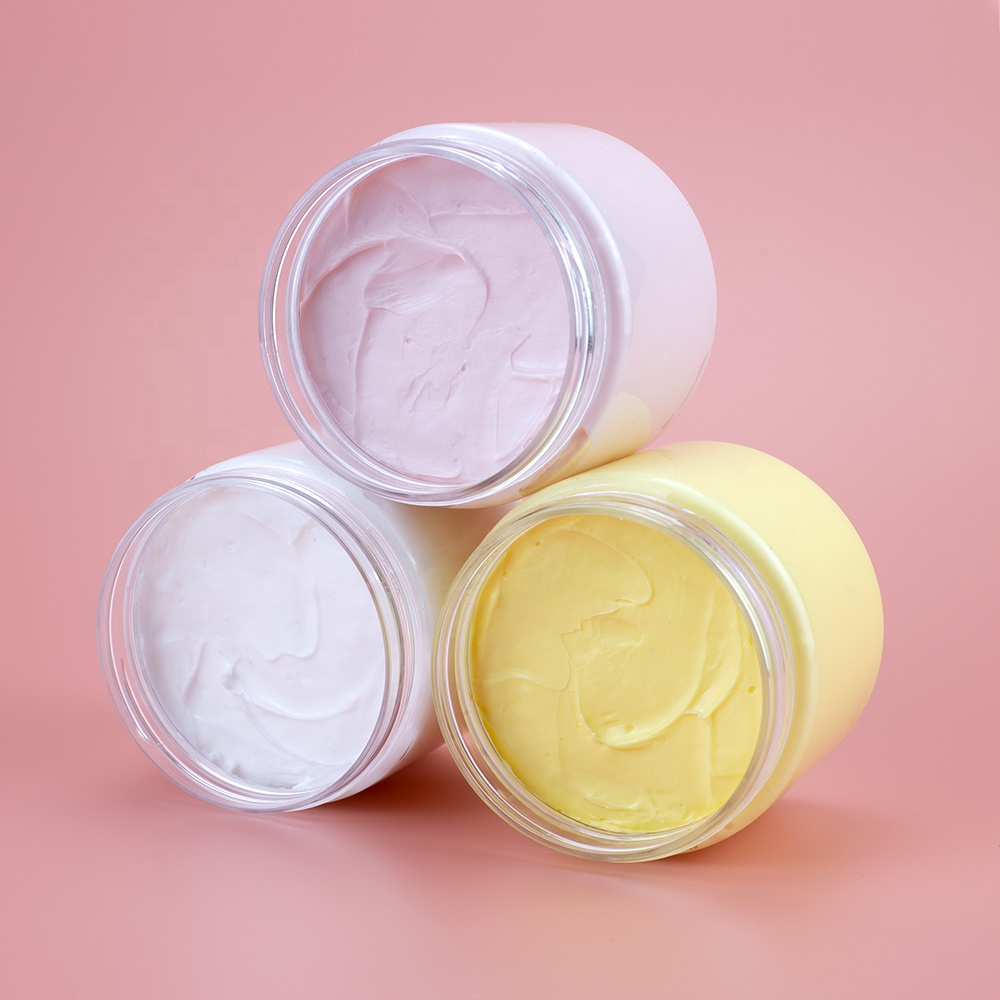
● Body: stretch mark cream, body butter, body lotion, body scrub, essential oil, sunscreen, slimming series
● Hair: batana oil, hair growth spray, hair mask, shampoo, conditioner, hair styling gel
● Men's: beard oil & kit, men's face wash, Dragon Bloods men's skin kit
● Bath: soap, shower gel, bath salt, bath bomb
● Makeup adjacent: concealer, body glitter
That breadth matters when you want a skin care line manufacturer who can grow with you from 3 SKUs to 30 without a factory change.
3.5 Communication and Time Zone Fit
Guangzhou is 12–13 hours ahead of U.S. East Coast. The factories that work for Western founders are the ones with dedicated English-speaking reps on WhatsApp and email, not just Alibaba trade-manager responses. Royax's contact point (Lancy, lancy@royaxcosmetics.com, WhatsApp +86 18200874404) is set up for that direct-founder channel.

4. Natural Formulation Directions That Are Actually Selling
If you're building a natural skincare private label lineup in 2026, these categories have momentum — and Royax already has stable bases for most of them.
4.1 Turmeric Skin Care Sets
Turmeric (curcumin) as an anti-inflammatory, brightening botanical has moved from ayurvedic niche to mainstream clean beauty. A turmeric private label skin care set (cleanser + serum + cream) is a strong hero-story SKU for brands targeting dullness and uneven tone. Royax offers a Private Label Face Care Turmeric Skin Care Set at $10–15/unit range depending on volume and packaging.
4.2 Batana Oil Hair & Skin
Batana oil (palm-derived, vitamin E + essential fatty acids) is having a moment for hair density and skin barrier. Royax manufactures pure batana oil private label at 1.99–2.99/unit — a low-entry hero product for hair-care extensions of a skincare brand.
4.3 Clay Masks with Plant Extracts
Natural clays (kaolin, bentonite) + plant extracts for weekly detox. Royax's Private Label Clay Mask is positioned for all skin types, customizable fragrance and actives — a staple for brands wanting a "spa at home" entry price point.
4.4 Hyaluronic Acid + Vitamin C + Retinol Serums
The "active trio" of mass premium. Royax stocks private label hyaluronic acid serum (~2.80–2.90),vitaminCfacialserum(1.98–2.98), retinol serum ($2.98–3.00). These are the bread-and-butter SKUs for any skin care line manufacturer client building a 3–5 SKU starter line.
4.5 Lash Serums (Castor Oil Base)
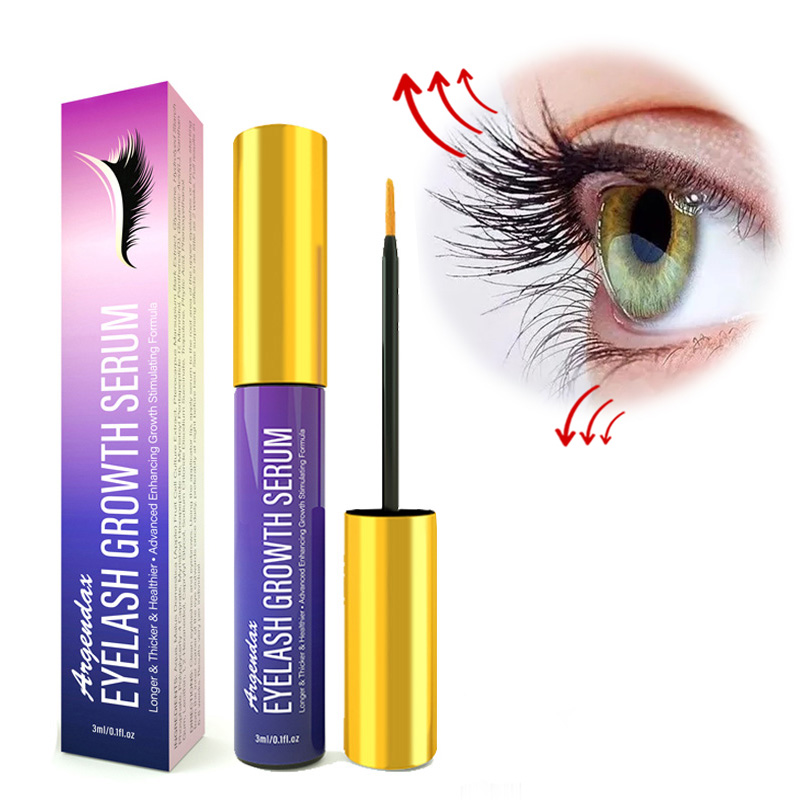
Eyelash growth serum is one of the highest-repeat-purchase categories in indie beauty. Royax's castor-oil-based lash & brow serum runs 1.28–2.88 private label — a frequent "first product" for solo founders because the tube format keeps packaging MOQ manageable.
4.6 Aloe Vera Skin Care Sets
Aloe as the base story for sensitive-skin positioning. Royax's Private Label Aloe Vera Skin Care Set ($10–15) pairs well with clean-beauty certification paths.
4.7 Men's Mini-Kits
Dragon Bloods Men's Skin Kit, beard oil & kit, men's face wash — underserved category, good cross-sell if you're already doing unisex face care.

5. Low MOQ, Free Sampling, and the Royax Approach to Private Label Skin Care Products
Here's where Royax differentiates among private label skincare companies in South China:
● Low MOQ positioning. Most Guangzhou OEM/ODMs still quote 3,000–5,000 units/SKU once packaging is factored. Royax explicitly markets low MOQ private label
so small brands can launch without warehousing risk. This is the difference between "I'll do this next year when I have capital" and "I can launch in Q2."
● Sampling loop. 3–7 days sample production; free samples available; formula adjusted until the founder signs off. For a skin care manufacture partner, sampling
isn't a courtesy — it's the de-risking phase.
● Custom formula R&D. 10 years of formulation experience, in-house R&D team, ability to adjust actives, fragrance, texture, preservative system. If you want "natural
clays + niacinamide + green tea" as a bespoke base, that's ODM territory Royax supports.
● Lead time. 10–30 days order delivery after confirmation — competitive for Guangzhou, where many factories quote 30–45 days once you factor queue + packaging.
● Amazon-aware documentation. Certificates (ISO 9001, ISO 14001, GMP, FDA) formatted for platform compliance reviewers. If your private label skin care
products are heading to FBA, this saves you a panic email six weeks from now.
Location matters too: Rm 3003, Floor 3, No. 1, Yi Heng Road, He Long Street, Baiyun District, Guangzhou. Baiyun is Guangzhou's cosmetics manufacturing cluster — you're near packaging suppliers, raw material markets, and export logistics. That's part of why Royax can keep MOQs flexible without sacrificing margin.

6. Compliance, Claims, and the Documentation You'll Wish You Had Earlier
This section is boring but expensive if you skip it.
6.1 Claim Boundaries by Market
● U.S.: MoCRA requires facility registration + product listing. "Anti-aging" is generally fine as a cosmetic claim; "reduces wrinkles" is a gray area; "treats acne"
crosses into OTC if you use specific actives (salicylic acid % matters). Your private label skin care manufacturer should flag which claims map to which
regs.
● EU: 1223/2009, CPNP notification, SCCS opinion tracking for actives. "Natural" isn't legally defined but COSMOS certification gives you a defensible standard.
● Canada/Australia: each has its own prohibited-list nuance (e.g., certain preservative limits).
6.2 Stability and Micro Testing
Water-based natural formulas (aloe gels, toners, serums) need microbiological challenge testing. Natural oil blends (batana, marula, rosehip) need oxidation stability. Clay masks need sedimentation checks. If your skin care line manufacturer can't show you a stability protocol, you're the one explaining to customers why the serum changed color at month four.
6.3 Packaging Compatibility
Natural oil serums + cheap pumps = clogged dip tubes. Clay masks + certain airless jars = sediment that never redistributes. These are formulation-meets-packaging problems, and they're why best private label skin care manufacturers ask about your packaging beforethey quote filling MOQ.


7. From First Sample to Scaled Brand: A Realistic 12-Month Timeline
Most founders underestimate the timeline; most "how to launch" blogs underestimate the iteration. Here's what a Royax-style path looks like:
Month 1: Brand brief → select 3–5 stock bases from catalog (e.g., vitamin C serum, turmeric set, batana oil, clay mask, lash serum) → packaging direction decided.
Month 2: Samples produced (3–7 days each round) → fragrance/texture tweaks → founder sign-off. Parallel: packaging artwork, compliance review for target market.
Month 3: First production run (10–30 days) → QC → export docs → shipping.
Month 4–6: Sell-through, customer feedback, minor formula adjustments.
Month 7–12: Add 2–3 SKUs via ODM (custom formula) to differentiate from other private label skincare companies using the same catalog bases. Apply for COSMOS/EWG/Leaping Bunny if positioning warrants.
Total time brand-to-shelf: ~90 days for a private label starter line. That's the real speed advantage over fully custom (which adds 12–20 weeks for stability + claims).

8. Why More Founders Are Shortlisting Private Label Skincare Companies in Guangzhou
Guangzhou isn't the only option — U.S. and European manufacturers lead on clean beauty R&D depth and proximity to those markets. But for founders balancing cost, speed, and range breadth, Guangzhou's ecosystem is hard to beat:
● Cluster effect. Baiyun District alone has hundreds of certified cosmetics factories, raw material suppliers, and packaging vendors within 10 km.
● MOQ flexibility. Many Guangzhou factories (Royax included) will run lower volumes that U.S. manufacturers won't touch under 500–1,000 units.
● Formula library maturity. 10+ years of iteration means stock bases that have already been stabilized and marketed by other brands — your "risk" is lower than with
a brand-new custom bench.
● Export infrastructure. 150-country client base (Royax's stat) means the documentation workflow for your target market probably already exists in their folder.
The trade-off is communication and QA vigilance — which is why the skin care manufacture partner you pick needs an English-speaking project manager, not just a sales rep.


9. Starting Your Line with Royax: Next Steps
If you're evaluating natural skincare private label partners and want a shortlist that includes Guangzhou without the typical "10,000 MOQ minimum" surprise, Royax is built for that middle space — low enough MOQ for testing, certified enough for Amazon and international retail, broad enough catalog to grow from 3 SKUs to a full private label skin care brand.
How to start:
1. Pick 3–5 hero SKUs from the Royax catalog (serum + clay mask + lash serum + one body/hair hero is a common starter mix).
2. Request free samples via the contact below — 3–7 days to your door.
3. Review formula tweaks (fragrance, actives %, packaging format) with Lancy.
4. Approve sampling iteration, then lock first production.
Company details for your RFQ:
● Website: www.royaxskincare.com
● Contact: Lancy
● Email: lancy@royaxcosmetics.com
● WhatsApp / Tel: (+86) 18200874404
● Address: Rm 3003, Floor 3, No. 1, Yi Heng Road, He Long Street, Baiyun District, Guangzhou, Guangdong, CN-China
● Company: Guangzhou Royax Cosmetics Co., Ltd

Final thought
The best private label skin care manufacturers in 2026 won't be the ones with the loudest "Top 10" placement. They'll be the ones whose sampling loop doesn't ghost you, whose certificates actually match your target market, whose MOQ lets you test without drowning in inventory, and whose R&D can take you from stock base to hero SKU when you're ready. If that's the kind of skin care line manufacturer you're shortlisting, put Guangzhou Royax on the call list — then judge them by the sample, not the pitch.
-Private Label Skin Care Products | Skin Care Products Manufacturer | Wholesale
-Top 10 Manufacturer & Low MOQ & Free Design & Competitive Price & Fast Shipping.
-Our Ingredients Are All Natural | Vegan | Organic | Cruelty-Free | Eco Friendly | Gluten Free | Paraben Free | Silicone Free | Sulfate Free
-Our Production Complies With EU And FDA Standards